



Wulstan Fletcher
Degrees in Modern Languages and Theology (Oxford and Rome); teacher of modern languages; completed three-year retreat at Chanteloube, France, 1986–1989; member of the Padmakara Translation Group, Dordogne, France. Tsadra Foundation Fellow since 2001.
Current Projects as a Tsadra Foundation Fellow (with Helena Blankleder)
- Lion Speech, The Life of Jamgön Mipham, Dilgo Khyentse Rinpoche
Completed Projects as a Tsadra Foundation Fellow (with Helena Blankleder)
- Treasury of Precious Qualities (Sutra Section), Jigme Lingpa, commentary by Longchen Yeshe Dorje, Kangyur Rinpoche
- Counsels from My Heart, Dudjom Rinpoche
- Introduction to the Middle Way, Chandrakirti, commentary by Jamgön Mipham
- The Adornment of the Middle Way, Shantarakshita, commentary by Jamgön Mipham
- Food of Bodhisattvas: Buddhist Teachings on Abstaining from Meat, Shabkar Tsokdruk Rangdrol
- The Way of the Bodhisattva, Shantideva (rev. ed.)
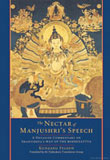
- The Nectar of Manjushri’s Speech: A Detailed Commentary on Shantideva’s “Way of the Bodhisattva,”Kunzang Pelden
- The Root Stanzas on the Middle Way, Nagarjuna
- White Lotus: An Explanation of the Seven-line Prayer to Guru Padmasambhava, Jamgön Mipham
- Treasury of Precious Qualities (Tantra Section), Jigme Lingpa, commentary by Longchen Yeshe Dorje, Kangyur Rinpoche
- The Purifying Jewel and Light of the Day Star by Mipham Rinpoche
- Trilogy of Resting at Ease, Longchenpa
Translators
Active
Past
Institutions
Active
Past
“Although the explanation lineage of the Bodhicharyavatara reaching back to Ngok Loden Sherab and beyond was never severed in Tibet, by the nineteenth century, the knowledge and study of Shantideva’s text had almost fallen into abeyance, being confined to the scholarly environment of a small number of monastic colleges. It seems that even copies of the text had become a rare commodity. This was a situation that Patrul Rinpoche was to change almost single-handedly. He devoted his life to the practice and propagation of the Bodhicharyavatara. Traveling all over the east of Tibet, he is said to have expounded it more than one hundred times, sometimes in detailed courses lasting many months. It was he, more than anyone else, who restored Shantideva’s teaching to the important position it now occupies in the sutra teachings of all schools of Tibetan Buddhism.
The strength of Patrul Rinpoche’s influence, and the reverence in which he was held, derived not only from his great erudition and skills as a teacher, but also from the power of his personality and the purity of his own example. Indeed, a profound knowledge of the Bodhicharyavatara and a lifelong dedication to the implementation of its teachings could not fail to produce an unusual personality. He seems in many ways to have been like another great monk and yogi, Shabkar Tsogdruk Rangdrol, an elder contemporary whom he much admired but never met. Like Shabkar, Patrul Rinpoche combined the practice of the Great Perfection with a tireless implementation of the Mahayana teachings on wisdom and compassion so powerfully advocated in Shantideva’s verses and the mind-training instructions of Atisha and the Kadampas. Temperamentally too they were very similar, untainted by religious and social conventions, and both were renowned for their compassion toward human beings and animals alike.”
—Wulstan Fletcher and Helena Blankleder, from the Translators’ Introduction to The Nectar of Manjushri’s Speech, Kunzang Pelden