Category: Presentations

[rev_slider alias=”tsadra-blog”]

Presentations

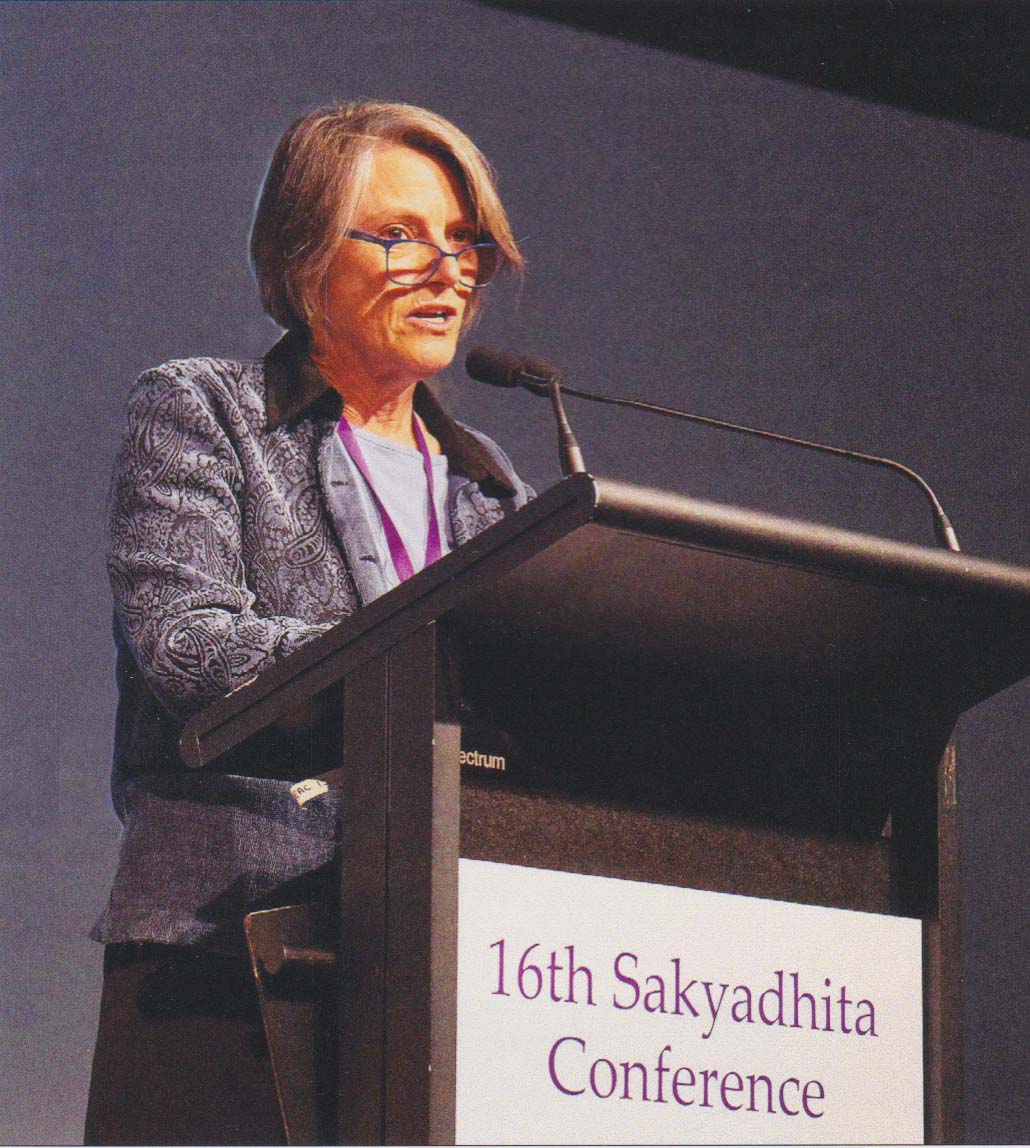
  • What’s in a Name? Sakyadhita Conference Presentation from Sarah Harding

    What’s in a Name? Sakyadhita Conference Presentation from Sarah Harding

    16th Sakyadhita Conference: Buddhist Women Rising to Challenges

    Presentation by Sarah Harding

    What’s in a Name?

    “Buddhist Women Rising to Challenges” struck a chord with me since I have definitely felt the challenge of being a woman in the Buddhist world. But as that experience was certainly not unique, it never occurred to me to write about it. Then way down at the bottom of Sakyadhita’s call for papers it said “More personalized perspectives based on one’s own experiences will be welcome.” 

So for the first time ever I will try that.

    I met my teacher Kalu Rinpoche at his monastery near Darjeeling, India around 1972. I immediately launched into his program of practice through daily teachings in his room with a small group of westerners, in the midst of the usual life of an all-male monastery. One event that struck me was the sudden “liberation,” as it is called, of a three-year retreat that had been going on there unbeknownst to me. I was extremely impressed by the monks that emerged. Later, when Rinpoche announced the first such retreat for westerners, I immediately applied and was not-so-immediately accepted. I learned Tibetan, did the preliminary practices, accumulated the money, helped to build the retreat facilities at a center in France, and entered retreat in 1976 with seven other women. There was only one nun among us. The men were similarly ensconced a short distance away. Rinpoche had not been deterred by criticism from other lamas for assigning women the same practice program as the men, but he did truly wish that everyone would ordain as monastic, and never gave up trying. On his visits in the retreat, he liked to regale us with true, if somewhat exaggerated, stories from his travels of marriages gone terribly wrong. Still, no one new took permanent ordination, and most gave back the temporary vows that we took for the retreat immediately afterwards. As of now, not a single woman or man from that retreat actually retains their monastic vows. In the highly monastic Kagyu and Shangpa traditions, lay people participating at this level of vajrayāna practice in extended, cloistered group retreat was virtually unknown. That left quite a dilemma for an elderly Tibetan master from a different era, culture, and experience to sort out, enlightened or not.

    When the retreat ended in 1980, the first thing that happened was that Rinpoche had each of us give a Dharma talk there at the center in France. So the message was clear: we would be teaching, even though no one had that in mind when they entered retreat (At least not the women. I can’t speak for the men.) The next thing was that we were all to accompany him on a tour of centers around France, sitting on stage with him in our maroon robes, advertised as “the first thirteen occidental lamas.” Rinpoche was clearly very proud of his achievement, and we basked in the glory.

    After the glory tour, (and mine was cut short by being sent to rescue a Sikkimese lama who had run away in Los Angeles), we were all assigned to various posts. I was already in Los Angeles, translating for the runaway lama. I noticed that all the other women were also sent to translate or attend Tibetan lamas, while all the men were sent to be lamas in various centers.  So that was interesting. When I had a chance to inquire, there was some talk about how that was more skillful, since in western culture men were dominant and would be listened to. Right—well, as a translator I can say that people might think they were listening to a man, but in fact they were listening to the invisible female voice beside the throne occupied by a monk. Doesn’t that just resemble the history of the modern world? After my first child was born and I wouldn’t wear Rinpoche’s new fashion for lay teachers of maroon with white stripes, Rinpoche seemed to give up on me. I had totally failed.

    Around 1982, Kalu Rinpoche was preparing for another retreat in Canada, and I decided to attend the empowerments. Somewhat surprisingly, I was the only one of the earlier retreat graduates who was required to pay the attendance fees, which I could not afford. Perhaps inspired by that injustice, I confronted Rinpoche about the whole issue. Were women doing the retreat the same as men? Yes, but the word “lama” is for men. (Funny, since it is a feminine gendered word in Tibetan.) What about Jetsun Lama Kushola? She’s called lama because she’s the sister of Sakya Trinzin. What about Lama Yeshe? Well, if someone calls themselves “lama” it’s polite to address them as they like. And so on. Later, in a public talk, Rinpoche actually said “You can’t call a cow a bull” and “If someone has qualities, they will automatically shine forth like a rainbow appearing when gold is under the ground.” And so forth. I was so devastated that Rinpoche thought I was trying to stake a claim for myself, I slunk away that very day, definitely not rising to the challenge.

    An important Kagyu lama tried to prescribe the word “naljorma” (yogini) for lay female retreat graduates, but this didn’t really stick. However, Kalu Rinpoche’s successor, Bokar Rinpoche, had no trouble at all addressing and respecting lay women who have completed the retreat as “lamas.” So perhaps it is no longer an issue. But my experience with my own guru, in whom I have never had a moment’s doubt, spawned a series of questions for about thirty years that I will try to describe in two minutes:

    I’ve always disdained titles. So why bother? But, at the same time, is it fair if men get it and women don’t? Is this even my fight? I don’t even like the job description of “lama” since I don’t want followers. But if I don’t stand up to it, am I abandoning women? If I do, will it seem arrogant and assertive? Aren’t claims and titles a male thing anyway? Why should a woman have to act like a man? Do I even want to buy into titles bestowed or withheld by men? So, “thanks but no thanks.” (Or something a little more rude.) Do I want a title in a foreign language that no one really understands? Would I rather be called “professor,” since that’s clear? If the power of women is communal and not hierarchical, why set ourselves up for reverence based on a name? Is all this my neurosis or my wisdom?

    This last is the burning question. We are taught, in the Tibetan Buddhist teachings, that the kleśas or toxic emotions are actually a kind of wisdom when they are not distorted by ego-clinging. Thus, desire is the wisdom of discernment, anger is mirror-like wisdom, and so forth. This is a fundamental teaching of the vajrayāna. Usually it is described as the wisdom present after those poisons are purified. But what if they co-exist? If desire exists alongside the wisdom of discerning that those specific desired phenomena are intrinsically empty; that anger is permeated by the mirror-like wisdom that reflects equally the merely superficial images of infuriating situations; that pride actually is the wisdom of equality that recognizes our interconnectedness, and so on?

    And what if the wisdom of the noncompetitive nonassertive female power coexists in me along with the scourge of female low self-esteem? That not rising to the challenge of female equity in the Buddhist ranks or stepping up to the role of lama is both a kind of humility and resistance to egomania and at the same time a shrinking acquiescence to male dominance? I don’t know.

    There’s no time now to report on my research regarding female titles, other than a few observations. While many Asian lineages have mostly kept the traditional titles in the west, occasionally sharing them with women, the Tibetan lineages use all kinds of titles, mostly deriving from Tibetan or Sanskrit terms taken out of context. So there are mitras, shastris, loppons, acharyas, naljormas, ngakmas, yoginis, jetsunmas, khandromas, etc. In a nod to the English, one group uses “vicar” and the hilarious “brevet lama,” borrowed from British military.

    The important pattern to notice is that aside from the word “lama” when it is used for graduates of the three-year retreat, almost all the titles do not indicate any specific achievement. Titles are bestowed solely at the discretion of a teacher at best, or at worst claimed by the person themselves in what is a very literal “sense of entitlement.” The former requires us to have confidence in the clairvoyance of the preceptor that granted the title, and the one that granted that one, and so on back into the past. But this makes it quite difficult to research the background of any prospective teacher, the way the Dalai Lama has recommended. And I found that the majority of title grants were more about promoting the teacher’s sphere of influence than the spiritual realization of the disciple, which in any case is difficult to assess. Needless to say, the self-entitled teachers greatly add to the befuddlement of us mortals.

    Ideally, titles should indicate something specific that anyone could understand. For instance, a PhD doesn’t guarantee wisdom, but at least we know the person did their homework. Usually. That’s why “Venerable” and “Venerable Bhiksuni” for fully ordained nuns works so well. Someone who takes and keeps vows is worthy of veneration for that alone. It’s clear and universally understood. But for there to be an equivalent term for lay female teachers would require agreement on teacher training, programs, levels, names, and so forth across Buddhist schools and lineages, or even within one lineage. I don’t think that is going to happen. It would be nice to do away with titles altogether, but that’s not going to happen either. I guess each person has to figure it out alone.

    Anyway, it’s too late for me now: my five-year-old grandson already calls me “grammalama.” I’m going to have a lot of explaining to do.


    Learn more about Sakhyadhita on their website: Working at the grassroots level, Sakyadhita provides a communications network among Buddhist women internationally. We promote research and publications on Buddhist women’s history and other topics of interest. Our members strive to create equal opportunities for women in all Buddhist traditions. Read More

  • Naropa Students Enjoy Lunch with Master Translators

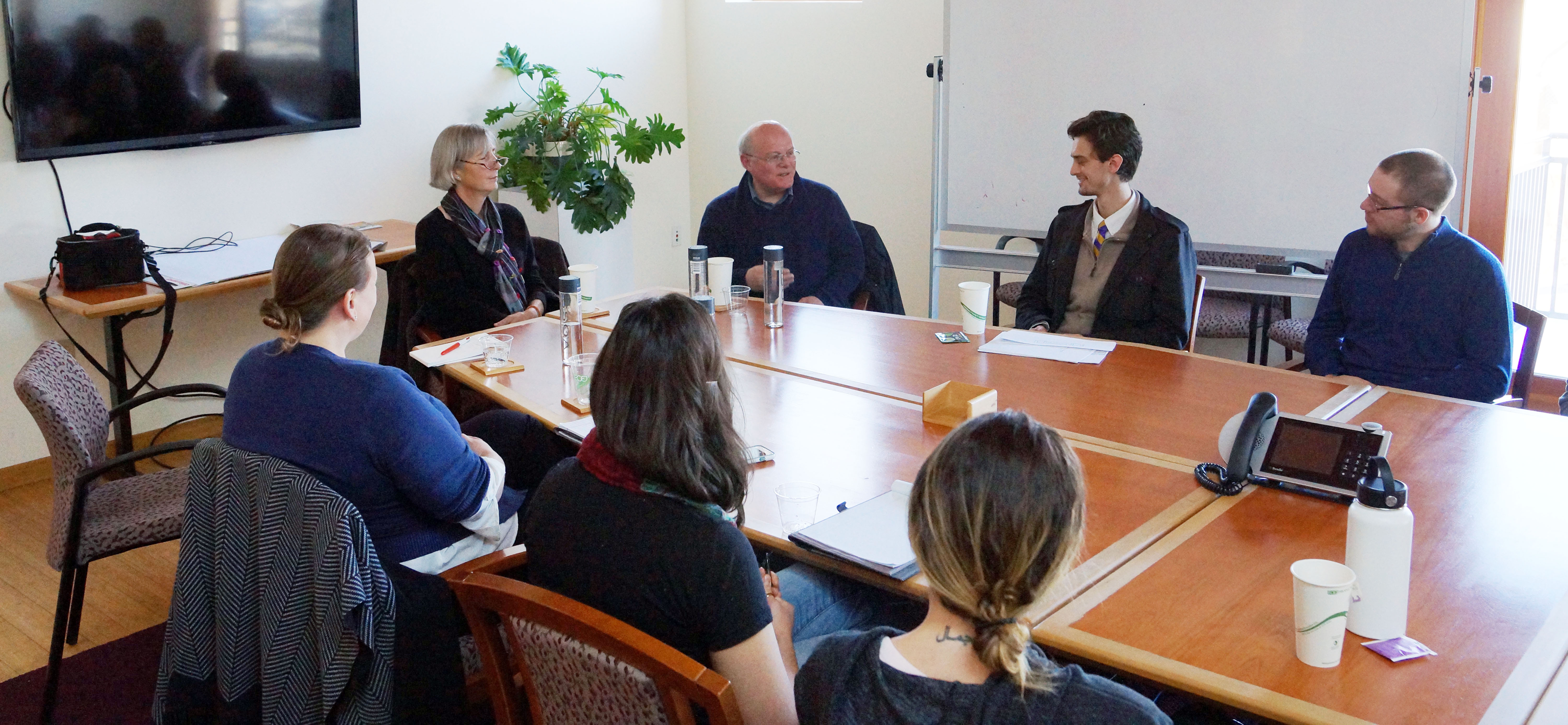
    Naropa Students Enjoy Lunch with Master Translators

    Naropa Students Enjoy Lunch with Master Translators

    Master translators Wulstan Fletcher and Elizabeth Callahan visited Naropa University to speak with students about the process of translation from Tibetan to English, and the motivations that led them to pursue such work.

    The conversation occurred as part of Naropa University’s Indo-Tibetan Lunch Seminar Series, organized and hosted by Dr. Amelia Hall, Assistant Professor of Religious Studies, which fosters discussion among students across disciplines—art, Indo-Tibetan studies with Tibetan and/or Sanskrit language—and encourages them to explore different ways to study language in general, and Tibetan and Sanskrit in particular.

    Elizabeth began by describing her motivation to learn Tibetan: she was interested in practicing Tibetan Buddhism and understanding what she was practicing. Over the course of her six years of retreat, she gradually learned to serve as an interpreter for Tibetan teachers and became a translator of practice texts. After completing retreat, she fell into being a translator because she wanted to develop a better understanding of emptiness, the rituals associated with Buddhist practice, and the “point” of meditation and saw a way to do that through the practice of translation.

    “Translation can be a skillful way to approach in-depth study.”
    -Elizabeth Callahan

    Following Khenpo Tsultrim Gyamtso Rinpoche’s encouragement to understand the text from the practitioner’s perspective, Elizabeth took translation as the path early on. She explained the importance of working closely with masters of the lineage and students of the same teacher to produce translations. She described a model to approach the translation of Tibetan materials to English to benefit oneself and others equally: absorb yourself in the text–practice, study, and research, then the product of the translation contributes to others being able to practice.

    Elizabeth closed her comments with an encouragement to students to, “Bring <your knowledge of Tibetan> to a point where it is useful for you if you are interested to practice. Train until, when you pick up a text, you have 90% comprehension, and that you’re fluent enough in colloquial Tibetan that you can ask questions to get to 100%.”

    Wulstan began by introducing himself to the group as “The Reluctant Translator”. Completely self-taught, Wulstan completed three-year retreat and worked on technical translations until Tsadra offered support for him to work full time. From his perspective, translation is part of one’s bodhisattva commitment to help people who will never be in a position to learn the language, giving them access to a wonderful tradition that is still alive. “Translation is breaking the shell so people can eat the kernel, or taking the stone off the well so people can get to the water.”

    Wulstan then shifted to sharing his love of language. He explained that the classical Tibetan of the texts, which is quite different from the modern spoken language, is a learned language, like Latin was in the middle ages. It has remained fairly stable and unchanged over the centuries. The written Tibetan of a modern author like Dudjom Rinpoche is in many respects the same as that of Longchenpa, who lived in the fourteenth century. As writers, they are virtual contemporaries even though they are separated by six centuries. This means that, once you have learned to read Tibetan, you have access to vast literature spanning over a thousand years.

    “If you think Buddhadharma is valuable, translate. You can’t know what the benefit will be—maybe you’re giving a tool to someone who can use it much better than you could!”
    -Wulstan Fletcher

    Exploring the Craft of Translation

    Elizabeth and Wulstan answered thoughtful questions from the students about what to do when experiencing a block or facing something you don’t understand. Wulstan urged students to read slowly and not to lose heart. He explained that while Tibetan grammar is not complicated, its syntax is strange and confusing to speakers of an Indo-European language like our own. Tibetan is not written in sentences in the way that English is—centerd on a main verb with principal and relative clauses all clearly connected. Thanks to its use of particles and its unrestricted capacity for subordination, Tibetan is often written in extended, river-like periods which can be very long indeed—alarmingly so for the beginner. Nevertheless, it is important to get used to the way Tibetan writers arrange their ideas and to read their sentences in the way Tibetans do rather than jumping around trying to piece together bits of sense, more or less guessing how they should be put together. It’s only when you have grasped the meaning of the Tibetan that you can then put it into English, dividing up the Tibetan into shorter manageable statements. This isn’t easy and takes a lot of practice, so it’s important to be patient and not get discouraged. Then, because the syntactical structure of the two languages is so different, it is important to “step away” from the original Tibetan and recast the meaning into a natural English form. When the translation process is complete, the text should read as clearly and easily as a text composed in English. This is part of being kind to the reader which, above all, Elizabeth and Wulstan reminded the students to do by thinking of their audience when translating.

    Both translators spoke of the importance of mastering of one’s own language—cultivating a knowledge of English literature to know stylistically what is good. They encouraged the students to read literature, to love English, to read the poets, and cherish the language. By translating, one is contributing to the corpus of literature in our own language.

    They offered a step-by-step approach to working with a translation:

    1. Use dictionaries and online resources like Columbia University’s Buddhist Canon Research Database with searchable unicode text, the BDRC database, and the Tibetan Himalayan Translation Tool online;
    2. Work with context and play with how to say things in different ways;
    3. Continue the research process: “Read around” the text by engaging with relevant texts and scholarly materials to help build context; and
    4. Ask questions: understanding the author’s life could inform your translation.

    The conversation ended with an encouraging comment from Elizabeth to the young translators: “If you feel drawn to learn Tibetan and become a translator, do it. You’ll find a way.”

  • Pha Dampa Sangye and the Alphabet Goddess

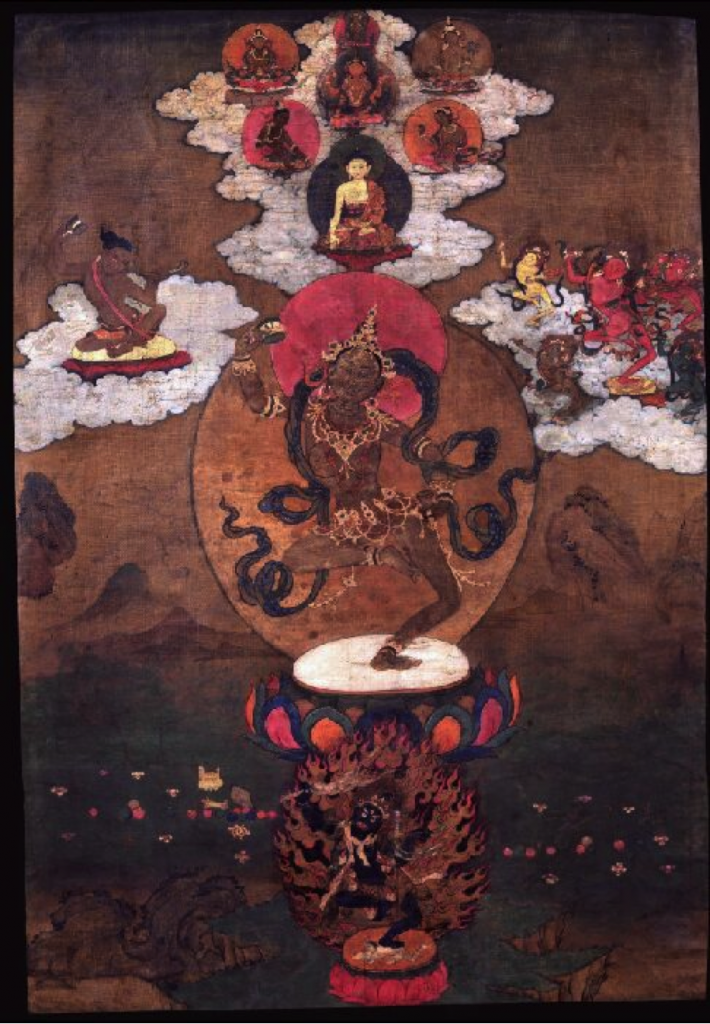
    Pha Dampa Sangye and the Alphabet Goddess

    A preliminary study of the sources of the Zhije tradition
    Sarah Harding

    Presented by Sarah Harding at the 2016 meeting of the International Association of Tibetan Studies (IATS) in Bergen, Norway:

    I did not master all of Indian tantra or positively connect the lovely Mātkā alphabet goddess with Dampa Sangye, except for circumstantial evidence. Even the 25 texts in volume 13 of the Treasury of Precious Instructions (gDam ngag mdzod) that I have been tasked to translate for the Tsadra Foundation remain at the end of this long road. But with much snooping I have tried to examine some of the sources of the Zhije (Zhi byed) tradition, particularly the two “tantras,” and their influence in the actual rituals and practices of the tradition.

    First a very brief background of this complex tradition, called Zhije or “Pacification,” that traces back to the South Indian Dampa Sangye. I will call him by his most commonly used name, but you may be more familiar with Pha Dampa Sangye, used by most western scholars. The anecdotal story of the “father” appellation of pha can be found in Machik’s Complete Explanation, where mother Lapdrön’s son decides that he is like a father to him, and thus the balance of Ma-chik and Pha-Dampa, probably lending itself also to the popular and unsupported belief that he was Machik’s consort. Dampa’s Indian names were Kamalaśrī and Kamalaśīla, which Tibetans took to be the same person as Shantarakśita’s famous disciple of the 8th century. And he was also identified with the Chinese Cha’an patriarch Bodhidharma (5th–6th centuries), giving him a lifespan of over 500 years.

    Also in the realm of legend is the story of his reanimation of a corpse of a dark-skinned Indian siddha (Dampa Nagchug) who had reanimated and run off in Dampa’s beautiful body after Dampa had entered the corpse of a dead elephant to remove it from a village, leaving him stuck with what was considered an unattractive form, and gaining him the name of Black Dampa or Indian Dampa. His visits to Tibet numbered anywhere from three to seven, with five being the most common. Jamgön Kongtrul’s summary from the Treasury of Knowledge reports the exact starting and ending locations of all five journeys, which is affirming.[1] However, he may have “sojourned” there only three times. Kongtrul also states:

    On all those occasions [Dampa Sangye] would intuit the exact character and faculties of each individual and liberate them through a few appropriate instructions. Thus there is no single primary source or systematic tradition that one could ascribe to them all. Nevertheless, [we could say] that he principally based himself in the source texts Ālikāli Great River Tantra, Mahāmudrā Symbol Tantra, and others. The methods he used, consistent with his own life example, were the three [levels of] vows as the support, ascetic exertion (dka’ thub kyi srang) as the path, and activities for the welfare of others as the fruition. Multitudes of beings possessed of the [right] karma—as numerous as the stars in the sky— were liberated in the state of buddha.

    Kongtrul’s understanding here of the great variety of teachings associated with Dampa as skillful pedagogy I find more felicitous than the views of one western scholar who derided it for lacking a cohesive system.[2]

    Nevertheless, what remains of a wide-ranging tradition makes it difficult to summarize. The bare minimum is the breakdown of teachings into three main lineages (brgyud) or transmissions (bka’ babs): early, middle, and later, with some other miscellaneous lineages. “The first of these is when Dampa explained to the Kashmiri Jñānaguhya the Cycles of Three Lamps of Pacification.”[3] These can be found in the Tengyur under the name Kamalaśīla. They are described as containing, respectively, the teachings of the vinaya, abhidharma, and sūtra, but also, mysteriously, “the semantic meaning of the fifty-five” sounds,” which is not at all evident in those texts. Also in the Tengyur, incidentally, are Dampa’s collections of dohās from the Indian mahāsiddhas, which had a huge influence in Tibet.[4]

    The Middle Transmission is divided into three, known as the Ma, So, and Kam systems, based on the principle recipient’s place names. In summary, he gave rMa Chos kyi Shes rab the teachings of awakening mind, the discourses, scattered teachings, and oral instructions. The second system conferred to So chung dGe ‘dun bar was the instructions of the fifty-four male and female adepts, called “Instructions on the Naked Perception of Awareness.” And the third system given to Kam Ye shes rgyal mtshan is called “the Guide to the Essential Meaning of the Perfection of Wisdom.” Lochen Dharmaśrī, in his commentary, mentions that originally this system would have been the preliminaries to the Kam system practice, suggesting that there was once a more cohesive system in the past. But, he says, “now, the lineages of the guides other than this one have not lasted except as reading transmissions.”[5] This may be true for other doctrines as well. One can easily see that the very preliminary nature of the teachings that remain from this system could hardly touch the perfection of wisdom doctrine.

    The Last Transmission is considered the main teaching of Zhije and was transmitted to the Bodhisttava Kunga (Byang chub sems dpa’ Kun dga’), who was acknowledged by Dampa as his primary disciple. Dharmaśri describes:

    From the instructions to the four direction yogins in the last transmission, which is the main teaching of Pacification, this is the system of Guru Bodhisattva Kunga. The teaching consists of instructions on the perfection of wisdom that are consistent with Secret Mantra. The root is conferred to the mindstream and the essential meaning is introduced. After you are adorned with methods of numerous, great interdependent connections, all the Buddhist teachings are practiced at one time on one seat. This is the esoteric instruction called the Practice Cycle of the Immaculate Drop. [6]

    Within this transmission, there are three guides: “The White Guide concentrates solely on mind training on the path, the Red Guide [concerns] the practice of five or three paths, and the Black Guide produces realization of the types of letters.”[7] It is interesting that only the Red Guide is elaborated in the literature. It contains an unusual instruction of a five-fold spiritual path: mind training, austerities, subsequent cognition, equalizing taste, and non-action. They are equated with the five Mahāyāna paths, but bear so little resemblance to the normative explanations that the correlation may be ex post facto. Indeed, Kongtrul affirms that “This path did not occur previously in India and Tibet, but is the special teaching of Dampa Rinpoche.”[8] I will return to the intriguing Black Guide later.

    What peaked my curiosity occurred during the conferral by Sangye Nyenpa Rinpoche of the relevant transmissions of the tradition from Kongtrul’s Treasury of Precious Instructions in Kathmandu, November 2014. Large portions of the empowerment involved the Sanskrit alphabet, with master and recipients repeating it again and again—forwards, backwards, by columns, by rows, every fifth letter, just the vowels, just the consonants, and other seemingly random combinations. The monks at Benchen Gonpa were incredibly adept in getting it all up on the big screens as fast as the Rinpoche could read.

    Nothing in the Zhije histories had alerted me to this pervasive use of syllabary. Except—and how did I miss the one obvious hint everywhere alluded to—that the source text of Zhije is something called Ālikāli Inconceivable Secret Great River Tantra, where āli-kāli refers to the vowels and consonants of Sanskrit! The other source mentioned, called Mahāmudrā Symbol Tantra, has been previously misidentified by me and everyone else. That was easy to do, since there are dozens of texts with similar titles—nine just in the first volume of the Zhije collection from the recently printed 13 Dingri Langkor Volumes. However, based on positive identification of quotations attributed to “Mahāmudrā Symbol” in other Zhije texts, I have located it in the collected works of Bodong Chokle Namgyal, volume 92, and in no other place. The full title is Mahāmudrā Symbol Tantra, the Secret in the Hearts of All Ḍākinīs.[9] I will mainly be looking for the influences of those two tantras in the Zhije praxis .

    I had little success locating another two of sources of the four named by Gö Lotsawa in the Deb gter ngon po (p. 1134): a general sutra called Total River Play (Chu klung mngon par rol pa’i mdo)[10]; a particular sutra which is Heart of Wisdom; a general tantra called Illuminating the Pitaka (sde snod gsal byed); and the particular tantra called Great River Tantra (chu klung chen po).

    Some interesting remarks in Jamgön Kongtrul’s Record of Teachings Received[11] (gSan yig, p. 769) would be worth pursuing:

    In the general table of contents of Pacification, [it states that] from the five great dharma series that came from the precious Lamps, in the third one—Stainless, along with the Subtle Drop (dri med phra tig dang bcas pa)—there is a series of six dharmas of experience. Of those, the sixth is about the result of maturation concerning the outer, inner, and secret instructions of ālikāli. The outer [instruction] contains the three [subjects] of divination, astrology, and auspicious connections. Of those, the latter is mainly from the old books: the history of ālikāli. The root of the outer cycle is the vajra diamond substance (pha lam rdzas kyi rdo rje), the root of ālikāli; the auspicious connections of ālikāli (“known as the eighty white auspiciously connected substances”) along with the outer, inner, secret, and suchness; the instructions of the aural lineage of ālikāli; and the cycle of mantras from the five cycles of auspicious connection (“the connection of mantras [for] raining hail”).

    Those will prove to be very interesting if ever located. To return to the two tantra sources that I did examine: In discussion of whether the teachings that were passed to Kunga in the last transmission should be considered as sutra or tantra, Gö Lotsawa in the Deb gter ngon po concludes that they are sutra “because it is like the explanation of the doors of the 42-syllable dhāraṇī in the Perfection of Wisdom sutra itself.[12] (But Kongtrul disagrees, holding the middle transmission as sutra and the last as mantra[13]).

    In the Perfection of Wisdom in Eighteen Thousand Lines, we find the 42-syllable a ra pa cha na alphabet, so-called because it is first five syllables of the Kharoṣṭhi script of Ghandāra[14] and possibly the earliest use of dhāraṇī. Each syllable or phoneme is used to indicate a phrase beginning with that syllable that embodies an idea relevant to the perfection of wisdom, and hence the designation of dhāraṇī as a door or entrance:

    And again, Subhuti, the dhāraṇī-doors are the great vehicle of the Bodhisattva, the great being. Which are they? The sameness of all letters and syllables, the sameness of all spoken words, the syllable-doors, the syllable-entrances. What then are the syllable-doors, the syllable entrances?

    The syllable A is a door to the insight that all dharmas are unproduced from the very beginning (ādy-anutpannatvād). RA is a door to the insight that all dharmas are without dirt (rajas).[15]

    And so forth, through that alphabet. Thus it could be seen as a mnemonic device, to help in memorizing the alphabet itself and those concepts. My favorite example using instead the Sanskrit alphabet in a similar way is in the old Lalitavistara Sutra (Ch. 10), where the bodhisattva Śākyamuni attends his first day of school. Here’s what happened:

    Through the bodhisattva’s power, the schoolmaster taught the children:

    When he said the letter a, out came the statement: ”Every composite phenomenon is impermanent (anityaḥ sarvasaṁskāraḥ). When he said the letter ā, out came the statement: “Beneficial to self and others” (ātmaparahita). When he said the letter i, out came the statement: “The vast development of the senses (indriyavaipulya).[16]

    And so forth. In this way, “32,000 children gave rise to thoughts aimed at unexcelled, perfect and complete awakening.”

    We are, of course, all familiar with this technique in English:

    A you’re adorable, B you’re so beautiful, C you’re so cute and full of charm.

    Or, from the 18th century:

    A was an apple-pie; B bit it, C cut it, D dealt it…(and so on).

    By the way, the title of that one—which could rival any Sanskrit or Tibetan title—is: “The Tragical Death of A, Apple Pye Who was Cut in Pieces and Eaten by Twenty-Five Gentlemen with whom All Little People Ought to be Very Well Acquainted.” Compare that to the 32,000 children who engendered bodhichitta.

    Alphabet practices are found in tantras, such as the early Mahāvairocana Tantra[17] with its placement of the alphabet around the letter a which “itself abides as the inherent nature of the array of various forms. It also reveals by its own nature that all phenomena are unborn..” etc. And the ritual of the mantra of the hundred letters based on the letter aṃ “the hundred-door essence” rather than a. The mnemonic correspondence seems not be a factor here, where each syllable has taken on its own inherent profound meaning and correspondences that don’t indicate a Sanskrit word. Rather, that sound is itself an entryway into an absolute truth. Unfortunately, those inherent syllable meanings vary widely from text to text and page to page.

    Later tantras show alphabet and syllable usages as well, such as Chakrasaṃvara with its placement of letters on the practitioner cum deity and the encrypted use of the alphabet in a “mantra puzzle” to discover the secret essence mantras.[18] Now, of course, it is no big surprise to find a lot of mantras in the Secret Mantra vehicle. I don’t intend to try to explain the tremendous power that was invested in sounds and letters. Mostly, however, mantras are words that carry lexical meaning, and my interest here is in the non-lexical syllables.

    The two source tantras of Zhije are chock full of sounds, syllables, dhāraṇī, and mantra. The Ālikāli Tantra is presented in 24 chapters in the form of questions and answers between Vajrapāṇi and the Buddha. The 24th chapter and an interlinear note reveal that Dampa Sangye reconstituted three somewhat disparate sections of this “tantra” that were previously divided according to the following story: After the Buddha entrusts the tantra to various protectors he departs for Kushinigar.

    Then the assembly went off to the king’s palace and divided the tantra into three parts. The first in eight chapters were written on leaves of a wishfulfilling tree, then encased it in a precious crystal vase. The gods summoned it and it rests inside a gandhola on the peak of Supreme Mountain. The middle section of eight chapters was written on the inner bark of a wishfulfilling tree and encased in a precious silver amulet box. The demigods and yakṣas summoned it and it rests in a copper house of blazing weapons midway up Supreme Mountain. The last section of eight chapters was written on blue water silk and encased in a golden box. The nāgas summoned it and it rests in the storehouse of the nāga at the base of Supreme Mountain. Later these three treasure teachings that were divided were brought together into one and written on the skin of a demoness (srin mo) and put into the skin bag of a white lioness. It rests in the endless knot of the secret treasury in the charnel ground of glorious Uḍḍiyāna.

    The tantra may have been composed by Dampa himself, which is especially suggested by the use of the term “treasure teachings” (gter bka’). Yet it is consistent with other tantras in its contents. It answers such questions as “What is the Book” (glegs bam): the codex or volume that is used to confer the empowerments of Zhije, rather than the usual mandala or vase. The Buddha answers in verses such as:

    In the teaching of the victorious sugatas of the three times

    the sounds of great earth, water, fire, wind, and space,

    [as] plants, forests, earth, stone, mountains, cliffs,

    and all sentient beings, are saying the sounds of the teaching. (Ch. 4, p. 25)

    And answering “What is the essence?”:

    All phenomena are Ālikāli.

    If the wise do not know that fact

    they are obscured as to meaning and enter the path of the womb.

    One must know that method and wisdom are not two.

    And: “If all phenomena are ālikāli, what is the essence?”

    Essence is wisdom in the shape of the letter a.

    Intrinsic nature unimpeded appearing in the form of oṃ.

    The characteristic is nonduality, the perception door of dhāraṇī.

    From the perception door of wisdom a and oṃ

    the emanation of unimpeded methods arise as kāli.

    The guru of this emanated fifty

    turns infinite unimaginable dharma wheels.

    Repeating aloud the meaning of text, you retain it.

    The drawing is the ālikāli of form.

    Then the ālikāli of amazing substance

    and the ālikāli of realized meaning

    and the ālikāli of illustrative words

    and the ālikāli of concordant examples.

    These five I have explained as the secret essence. (Ch. 5, p.27)

    Then the Buddha goes on to explain each of those. In chapter 6, first the Buddha pronounces the Sanskrit alphabet straight through and then other buddhas intone the various sets of letters from it:

    Then tathāgatas in the east say ka ca ṭa ta pa ya śa / i ī ṛi;

    tathāgatas in the south say kha cha ṭha tha pha ra ṣa / e ai ṛī;

    tathāgatas in the west say ga ja ḍa da ba kṣa / a ā / aṃ aḥ /

    tathāgatas in the north say nga ña ṇa na ma va ha / ḷi u ū /

    tathāgatas in between say gha jha ḍha dha bha la sa / lī o au /

    tathāgatas above say gu ru hya bad at / e vaṃ ma ya /

    tathāgatas below say sa ca na si ka ra / maṃ kha la vo / (p. 32)

    And in Chapter 7 we find:

    The root of all phenomena is one’s own mind.

    The nature of mind is power from concepts

    Concepts depend on channels and winds.

    The entity of channels and winds abides in the form of letters.

    Therefore all phenomena are the clear form of letters.

    The fifty come from a.

    It is explained as the seed of all phenomena. (p.35)

    In response to this question of the letters’ essence, the Buddha says, “I am the essence,” but continues with correspondences such as: ka kha ga nga are wind letters, blue, are ten, abiding in the lungs and so forth for each set. Other sets of syllables purify the afflictions, and so on endlessly, back and forth between non-lexical phonemes and regular lexical mantras that bestow power and efficacy. All this is interspersed with explanations of practices that are indeed reflected in the Zhije corpus.

    Now the Mahāmudrā Symbol Tantra, the Secret in the Hearts of All Ḍākinīs contains in its 21 chapters similar teachings but in quite a different manner. For one thing, it is spoken not by the Buddha or Vajradhara, but the Bhagavatī, mistress of the realm, surrounded by goddesses and ḍākinīs. She appears but doesn’t, and says “a a a” without saying anything. And the interlocutor is none other than a certain “Kamalaśrī,” (Dampa Sangye) who relates the story in first person. The Sanskrit alphabet makes its first appearance in chapter three “from the vajra Body, Speech, and Mind of the emanated goddess.” This gives rise to the yab-yum in union and the mantras of empowerment, producing a stream of bodhicitta that matures all beings. Many mantras ensue, some familiar from the Ālikāli Tantra, as well as the distinctive five-fold path of Zhije. Three whole chapters (7–9) are given over to the explanation of the suchness of letters (yi ge’i de kho na nyid). And there is also an apparent “mantra puzzle” here, but I just can’t figure it out! It is tenuous to identify the mantras with those in the Ālikāli Tantra since the Tibetan phonetics for the Sanskrit of this text in particular seem quite corrupt. But, alas, this is a problem with most Tibetan phonetic reproductions where Devanāgarī is unavailable. And if the Sanskrit syllables really are doors to the vast absolute truth, this is extremely worrisome if not disastrous for the Tibetan practices based on alphabet and mantra!

    The last chapter and the colophon, however, are surprisingly clear, giving an exact date, writing medium, and location. Spoken in a Pig Year, this would be 1107, if Dampa did die in 1117.[19] The tantra was “given to the ḍākinī herself where it remains as the secret treasure of the heart.” The colophon mentions Dampa’s monastery of Dingri Langkor by name, and that it was translated by “the Indian Khenpo Kamalaśrī and Tibetan translator Zhwa ma Ton pa seng ge gyal po,” who was known as Zhama Lotsāwa, Dampa’s regular translator.

    Though these two tantras may well be apocryphal, the material in both is generally concordant with Buddhist tantra, yet specific to the Zhije practices. However, the specificity involves the doctrines that appear in the practice and commentarial tradition, particularly the five-fold path mentioned above, and not particularly in the syllable or mantra usage. Why is that? I propose that over time the magic of sound was less compelling to Tibetans than it had been to Indian tantrikas, and may have also generated some anxiety due to the problems of transliteration and pronunciation. The many lineages of Zhije have therefore privileged meditations such as mahāmudrā or tantric visualizations. Indicative of this, when Jamyang Khyentse Wangpo was extracting “the essence” of the Ālikāli Tantra for inclusion in Kongtrul’s Treasury of Precious Instructions, he chose only three chapters[20] which had minimal mantra and no non-lexical syllabary.

    Or, when later commentators present the teachings that were passed to Bodhisattva Kunga, they expound only on the Red Guide, and yet the Black Guide (nag khrid) is where the alphabet teachings are found. Have those been lost? I have so far only found a few scraps regarding this practice, and then in a seemingly negative light. For example, in a question and answer session with Bodhisattva Kunga in one text, a disciple asks about the Black Guide and the stains that will arise from it. The short and remarkable answer is:

    What the Black Guide does is illuminate (gsal ‘debs) the letters of forgetfulness tokens (brjed rdo’i yi ge) as imprints on white paper, as it’s called. [When] the instructions of the hearing (“earhole”; snyan khungs) lineage (rgyud for brgyud) have been written down as letter drawings (ris su song) it is a shame (lod). It is like the king degenerating into a commoner. [21]

    The possible downfalls of the practice are numerous, including getting hung up on the letters because, of course, “there are no letters for the genuine meaning.” And “Fixating on the excellence of understanding the progression of words (tshig ‘dros), [one] does not look elsewhere, and that is a stain.” And so forth.

    However, in the story of the lineage holder rGyal ba ten ne, the Black Guide was divided and granted to him in four separate cycles: the transmission (bka’ babs); the Stainless (dri med); the aural lineage (snyan brgyud); and the dohas of mahāmudrā.[22] If that’s generally the case, then in fact the Black Guide is all over the place and so pervasive that I missed it.

    In conclusion, it has been very challenging to find the syllable practice in what’s left of the Zhije tradition, except in the empowerment conferral itself. No wonder it was a surprise as I was mumbling my way through coded phonemes of the empowerment.

    POSTSCRIPT

    After delivering this paper at the IATS conference in Bergen, an attendee very graciously offered some information of the kind I was desperately seeking in my research. It particularly concerned an observed and still current Vedic ritual in which the meanings to be conveyed to disciples are disallowed as script in any form other than alphabetic syllables for the purpose of recollection. I was referred to the work of William Sax at U. of Heidelberg and also of Frits Staal, in books such as his Ritual and Mantras: Words Without Meaning, and Discovering the Vedas Origins, Mantras, Rituals, and Insights. A paragraph from a review of the latter by Annette van der Hoek illustrates how very illuminating this information would have been:

    “Part three explains, in quite some linguistic detail, that the syntactic structure of a mantra is, interestingly, often closer to birdsong than it is to natural language. this is demonstrated, for instance, in the use of sheer indefinite repetition – a,a,a,a,a –which is not a part of our everyday sentence construction and in the use of sequences – bha, bhu, bhi, bho – that again natural language wouldn’t feature except for maybe in a child’s play with words.”[23]

    NOTES

    [1] “He came to Tibet five times. The first time he journeyed to Tsari via Drintang-la. He set foot in all areas of Do-Kham, predicting the spread of the doctrine there. The second time he came from Kasmir and arrived in Ngari, where he accepted as disciples Zhangzhung Lingkawa and Bönpo Trotsang Druklha. On the third visit he came from Nepal to Tsang and gave instructions to Yarlung Mara Serpo and Kyotön Sönam Lama [Machik’s guru]. On the fourth he arrived at Nyal [near Arunashal Pradesh border] via Sha-uk Tak and purified the obscurations of his mother (yum). In Central Tibet he benefited Ma [Chökyi Sherab], So [-chung Gendun Bar], and Kam [Yeshe Gyaltsen]. On the fifth visit he first went to China, where he stayed for twelve years before returning to Dingri [until his death 1117—20 yrs).”

    [2] Ronald M. Davidson, Tibetan Renaissance, p. 248: “The curiosity of Zhiché is not its multiple lineages but the fact that there seems go be no core teaching associated with the term Zhiché…”

    [3] Zhi byed sgron ma skor gsum, here listed as sPyod pa’i sgron ma, Lam gyi sgron ma, and Thugs kyi sgron ma. But nine cycles (Zhi byed sgron ma skor dgu’i chos skor) are mentioned and listed in RHPS (488) and in BA (905-6) and even by Kongtrul himself in TOK 1:541. These can all be found in the Tengyur (Toh. 2315-2330), where they are attributed to Kamalaśila.

    [4] See Kurtis Schaeffer’s Dreaming the Great Brahmin.

    [5] Minling Lochen Dharmaśrī (1654–1717), Distilled Elixir: A Unified Collection of the Guidebooks of the Early, Middle, and Later Pacification. Zhi byed snga phyi bar gsum gyi khrid yig rnams phyogs gcig tu bsebs pa bdud rtsi’i nying khu by in DNZ vol. 13 (pa), p. 348.

    [6] Dharmaśrī, Distilled Elixir, DNZ vol. 13 (pa), p. 352.

    [7] Ibid. p. 354; and Jamgön Kongtrul, Treasury of Knowledge, Book Eight, Part Four Esoteric Instructions, trans. Sarah Harding, p.270.

    [8] Kongtrul, ibid., p. 273.

    [9] mKha’ ‘gro ma thams cad kyi thugs kyi gsang ba phyag chen brda’i rgyud in Bo dong Phyogs las rnam rgyal, De nyid ‘dus pa, the Collected Works published as Encyclopedia Tibetica, vol. 92, pp. 111–160.

    [10] Possible Chu klung sna tshogs rol pa’i mdo, the Nānānadū sutra or Chu klung ba tsha’i mdo/Mūlanadī brought by Tönmi Sambhoṭa?

    [11] Tashi Chöpel (bKra shis chos ’phel). Record of Teachings Received. ’Jam mgon kong sprul yon tan rgya mtshos dam pa’i chos rin po che mdo sngags rig gnas dang bcas pa ji ltar thos shing de dag gang las brgyud pa’i yi ge dgos ’dod kun ’byung nor bu’i bang mdzod. Beijing: Mi rigs dpe skrun khang, 2008

    [12] Gö Lotsāwa: p 1134: shes rab kyi pha rol tu phyin pa’i mdo nyid nas yi ge bzhi bcu rtsa gnyis kyi gzung kyi sgo bshad pa dang ‘gra ba’i phyir ro/

    [13] “The middle transmission is the definitive meaning according mainly to the sutras. The last is for the most part in accordance with the mantra.” (Kongtrul, Treasury of Knowledge, vol. 3, p.542, my translation.)

    [14] Richard Solomon, “New Evidence for a Gāndhārī Origin of the Arapacana Syllabary,” Journal of the American Oriental Society, Vol. 110, No. 2, 1990; Jan Nattier, A Few Good Men, 2003, pp. 291–2, note 549. See also Jayarava, Visible Mantra: Visualizing and Writing Buddhist Mantras, 2011.

    [15] Edward Conze’s translation in The Large Sutra on Perfect Wisdom, p. 160.

    [16] 84,000 online translation, “The Play in Full” accessed 05/30/16 http://read.84000.co/browser/released/UT22084/046/UT22084-046-001.pdf

    [17] See Stephen Hodge, (trans.) The Mahā-Vairocana-abhisaṃbodhi Tantra with Buddhaguhya’s Commentary, pp. 216-232. (ch. 10). Said to be revealed around 640 CE.

    [18] David Gray, The Cakrasaṃvara Tantra, p. 133.

    [19] The Tshig mdzod chen mo (pp. 3218–19) states that “some say” Pha Dampa Sangs rgyas died in the fire fowl year of 1117. But it also gives his departure date to China as 1101 and returned to Dingri in 1113 for the last time. Most accounts agree that he spent 12 years in China. That would only give him four years at Dingri until his supposed death, with no intervening Pig Year, which wouldn’t be until 1119. The dating remains to be clarified.

    [20] Chapters 10 on the five paths, 17 on the empowerment and pledges, and 23 on view, meditation, conduct, and results. From his colophon: Jamyang Khyentse Wangpo, Essence of Precious Segments of the Inconceivable Secret Tantra Section, the Source Text of the Holy Dharma Pacification of Suffering. Dam chos sdug bsngal zhi byed kyi gzhung gsang ba bsam gyis mi khyab pa’i rgyud sde’i dum bu rin po che’i snying po. DNZ, vol. 13, p. 15.

    [21] bDud rtsi zhun ma’i gdams pa, DV, ga, p. 97. Nag khrid bgyi ba brjed rdo’i yi ge’i gsal ‘debs / dkar shog la btabs pa la zer ba yin te / snyan khungs [b]rgyud pa’i gdams ngag yi ge’i ris su son bas lod de / rgyal po rmangs su babs pa lta bu yin / rgyal po rmangs (dmangs) su babs pa lta bu yin / Much thanks to Khenchen Thrangu Rinpoche for clarifying this passage. Personal interview, 06/04/16.

    [22] Zhi byed bdud rtsi’i thigs pa’i gzhung yan lag lnga’i sgo nas rgyas par bshad pa, DV, vol. ga, p. 778.

    [23] “‘Meaningless’ mantras and birdsong?: discovering the Vedas” The Newsletter, No. 53, Spring 2010:


  • Did Machik Really Teach Chöd?

    Did Machik Really Teach Chöd?

    Did Machik Really Teach Chöd?

    Did Machik Lapdrön Really Teach Chöd? A Survey of the Early Sourcesby Sarah Harding

    This provocative title is a result of a persistent question in the back of my mind for several years while I was researching and translating the early gcod texts from Jamgön Kongtrul’s Treasury of Precious Instructions (gDams ngag rin chen gter mdzod), the next ambitious project of the Tsadra Foundation. As I patiently went through the marvelous teachings in each text, I kept wondering when I would find the actual instructions on gCod (“chöd”), or “Severance,” that I was so familiar with from translating Machik’s Complete Explanation and from my own three-year retreat practice. The following is a short survey of these texts and my findings therein, which suggest that there is no clear attribution of the body-offering practice, and certainly not in the elaborate form that we find today.

    gCod is primarily known, now quite famously, as a visualization practice in which one separates one’s consciousness from the physical body, and then turns around to cut up the remaining corpse and prepare it for distribution to gods, demons, and spirits of all kinds. The ritual offering may involve going to specific places where such spirits might be found, such as isolated, frightening, or haunted places. It is immediately obvious that several terrifying psychological experiences are invoked: fear of the unseen spirit world, of wilderness, and of the maiming and dismemberment of one’s body. It is thus widely recognized as a practice of “facing your fears” and overcoming them.

    gCod was developed, also famously, by the woman Machik Lapdrön in the late eleventh century, during the time in Tibet when many other lineages were forming. Although technically gcod is known as a subsidiary of the zhi byed or Pacification teachings of Dampa Sangye, clearly Machik is the single mother of this baby. In the records of Machik’s brief encounters with Dampa Sangye, and in the only Indian gcod source text (gzhung) by Āryadeva the Brahmin, there is little about this specific practice. It therefore seems to be solely a result of Machik’s own realizations, and so is famous as an original Buddhist teaching indigenous to Tibet that uniquely spread to India in a reverse trajectory from all other doctrines.

    The realization that gave birth to Machik’s gcod is said to have occurred during her recitation of a prājñāpāramitā text, which she regularly performed as part of her job as a household chaplain. Specifically, it was while reading “the chapter on māra.” Many suggestions have been offered as to which section that would be,

    For examples of the possible lines that inspired Machik, see Harding, Machik’s Complete Explanation, pp. 35 and 97, and Zhi byed dang gcod yul gyi chos ‘byung rin po che’i phreng ba thar pa’i rgyan in gCod kyi chos skor, f. 2.

     but in any case none of them throw light on the subject. The fact that it is mentioned at all, however, is very provocative. Māra, of course, is the antithesis of Buddha, and has been personified perhaps in the same way as enlightenment is personified as a buddha. Māra represents obstruction of the spiritual path or spiritual death (from Skt. mṛ-, “to die”) in all its forms. Besides the Buddha’s antagonist, a variety of māras were eventually classified into two sets of four, but there are many more examples in the texts I have translated here.[ref]Some examples from these texts are: the devil of belief in intrinsic existence, of merely mental emptiness, of making dharma a big project, of clinging to the reality of accomplishing enlightenment, of actual things, of depression and despair, of obstinate reification, etc.[/ref] It is tempting to imagine Machik’s inspiration as a profound encounter with the dark side, eventually resulting in the overcoming of that duality through the integration of the prājñāpāramitā teachings.

    It should be noted that the translation of māra as bdud in Tibetan has further complicated the issue, given the hoards of bdud that roam Tibet. I have everywhere used “devil” or even “evil” for bdud, as distinguished from “demon” for ‘dre, although in Tibet the two are often interchangeable.

    There is no shortage of reference to māras throughout the texts on gcod and their sources, and no question that the primary goal of these teachings is to deal with them, whether conceived of as demons or adverse circumstances or ego or as ultimate evil and ignorance. Simply put, the term used to describe that process is “chöd.” But it comes in two homonymic interchangeable spellings: gcod, which means “to cut” or “sever” and spyod, which means “behavior” or “action.” I have seen either used in alternate editions of the same text. Spyod and spyod yul instantly conjure up the bodhisattva’s conduct in the prājñāpāramitā literature, as in the recurring phrase:  “In this way one should train in performing the activity of the profound perfection of wisdom.”

    Quoted by Jamgön Kongtrul in The Treasury of Knowledge, Book Eight/Part Four: Esoteric Instructions, 276-77.

     gCod as severance also has its Buddhist antecedents. The classic definition in gcod source material comes from Āryadeva’s Grand Poem, Esoteric Instructions on the Perfection of Wisdom:

    Also called Grand Poem (Tshigs bcad chen mo) and Fifty Verse Poem (Tshigs su bcad pa lnga bcu pa), DNZ, vol. 14, p. 5. Other sources for the text are in the Narthang Tengyur, mdo, nyo, ff. 396b-399a; Golden Tengyur, nyo, ff. 517a-520a, and Kamnyön, History of Pacification and Severance, ff. 1-5.

    Since it severs the root of mind itself,
    and severs the five toxic emotions,
    extremes of view, meditational formations,
    conduct anxiety, and hopes and fears;
    since it severs all inflation,
    it is called “severance” by semantic explanation.

    It is clear that the specific practice of cutting up the body is not alluded to in this definition, as well as all others that I encountered. In fact, it may just be an unfortunate parallel of usage that the process of resolution and integration of problems uses the same term as does the ordinary function of an axe or kitchen knife, or dragon glass, for that matter. We can think of the common term thag gcod pa (“decide, put an end to, determine, handle, deal with, treat”) to get more of a sense of this term, recalling also the interchangeability with spyod pa as “conduct and behavior.” What to do when things get tough? Act with determination.

    Similarly, the term yul (“object”) in the longer name for this practice bdud kyi gcod yul (“the devil/evil that is the object to sever”) is used in the most abstract way and is attested in the Abidharma by Kongtrul and others. Consider the first verse in Machik Lapdrön’s source text, the bKa’ tshom chen mo (“Great Bundle”):

    The root devilry is one’s own mind.

    The devil lays hold through clinging and attachment

    in the cognition of whatever objects appear.

    Grasping mind as an object is corruption.

    Or again, from the same text, referring to a more refined state of practice:

    The conceit of a view free of elaboration,

    the conceit of a meditation in equipoise,

    the conceit of conduct without thoughts,

    all conceits on the path of practice,

    if engaged in as objects for even a moment,

    obstruct the path and are the devil’s work.

    The vast majority of the instructions in these early texts are on the practice and theory of prājñāpāramitā, as clearly indicated by their titles. These instructions are often reminiscent of mahāmudrā, and in fact later took on the epithet Severance Mahāmudrā (gcod yul phyag rgya chen po). For instance, from Machik’s Great Bundle:

    Everything is self-occurring mind,

    so a meditator does not meditate.

    Whatever self-arising sensations occur,

    rest serene, clear, and radiant.

    lhan ne lhang nge lham me, alliterative words with variable experience-based meanings.

    Even the earliest source text by Āryadeva the Brahmin employs such mahāmudrā signature phrases as “clear light,” (‘od gsal) and “mental non-engagement” (yid la mi byed pa),

    ‘Phags pa shes rab kyi pha rol tu phyin pa’i man ngag, in gDam ngag mdzod (DNZ), vol. 14, p. 4.

     while the commentary on those passages cites scripture such as Maitreya’s Highest Continuum

    Mahāyānottaratantraśāstra. Theg pa chen po rgyud bla ma’i bstan bcos, cited inPure Honey: A Commentary on the Source Text of Severance, “Esoteric Instructions on the Perfection of Wisdom” by Kun dga’ dpal ‘byor, DNZ, vol. 14, p. 36 and elsewhere.

     and other sources usually associated with the third turning. There is constant reiteration of this basic instruction to rest relaxed without doing anything. One of the more famous sayings attributed to Machik, often used as a reference to the gcod practice, is not particularly giving an instruction to sever and offer the body, but is more of a straightforward prājñāpāramitā or mahāmudrā instruction:

    Rest the body in the way of a corpse.

    Rest in the way of being ownerless.

    Rest the mind in the way of the sky.

    As a candle unmoved by the wind,

    rest in the way of clarity with no thought.

    As an ocean unmoved by the wind,

    rest in a way serenely limpid.

    hes rab kyi pha rol tu phyin pa’i man ngag yang tshom zhus len ma, DNZ, vol. 14, p. 107.

    So where are the references to the practice of casting out the body as food that has made this practice so sensational? A quick survey of the ten early texts (two source texts plus Machik’s eight) making up 134 folia, turns up sixteen references to the catch phrase “separating the mind from the body,” all but one of which merely give mention to the term. This in itself, however, does not constitute the body-offering practice per se. Separating out the consciousness and “blending it with space” (byings rig bsre ba or ‘dre pa) or the much later nomenclature “opening the door to the sky” (nam mkha’ sgo byed) became signature gcod practices. Jamgön Kongtrul asserts that this is the main practice and relegates the body offering to post-meditation (rjes thob) or a branch (yan lag).

    Treasury of Knowledge (Shes bya kun khyab) vol. 3, p. 426, and Garden of Delight, (Lus kyis mchod sbyin gyi zin bris mdor bsdus kun dga’i skyed tshal): “The main practice [of feeding the spirits] should be understood as an offshoot. But these days, most so-called severance practitioners don’t get the main root and only seem to desire the branches.” f. 11b.

     The number of references to the actual body dismemberment is very rare, and, as I will suggest, limited to the texts of dubious origin. I will briefly survey the texts in the order they are found in the Treasury.

    The verse text by Āryadeva the Brahmin, Esoteric Instructions on the Perfection of Wisdom, which is the only source text said to be of Indian origin, mentions the body offering only once, in the context of a classic graded path suitable for the three kinds of individuals:

    Those with superior meditative experience

    rest in the nondual meaning of it all.

    The average practitioners focus on that and meditate.

    The inferior offer their body aggregate as food.

    The Great Bundle is taken as the earliest and most basic text attributed to Machik. As the story goes, she responded to three Indian inquisitors with an explanation of this composition and proved to them that that her teachings were indeed Buddha Word (hence bka’ in the title).

    For this episode, see Harding, Machik’s Complete Explanation, p. 94.

     It contains only one reference to a body offering:

    Awareness carries the corpse of one’s body;

    cast it out in an unattached way

    in haunted grounds and other frightful places.

    The third text classified as a source text by Jamgön Kongtrul is called Heart Essence of Profound Meaning.” That name came to indicate a whole cycle of teachings, but this source text is signed (not here, but in another edition) by Jamyang Gönpo (b. 1208?).

    In gCod tshogs kyi lag len sogs, p. 101. The actual signature is “the Shakya monk, holder of the vajra, Prājñasambhava,” a translation of his ordination name Shes rab ‘byung gnas. His other works are signed “the Shakya monk, holder of the vajra, Mañjughoṣanatha, translating ‘Jam dbyangs dgon po.

     In most records of the lineage, his name appears right after that of Machik’s son Gyalwa Döndrup, making him the earliest commentator on Machik’s teachings that I have yet encountered, nearly a century earlier than the third Karmapa (1284-1339), who is often given that credit. In this text, again, there is only one passage indicating the body-offering practice:

    Free the mind of self-fixation by relinquishing the body aggregate as food.

    Scatter the master of self-fixation by separating body and mind.

    Liberate fear on its own ground by inspecting the fearful one.

    Tossing away fixation on the body as self, obstacles will arise as glory.

    We then come to an interesting text in the Treasury attributed to Machik called Precious Treasure Trove to Enhance the Original Source, A Hair’s Tip of Wisdom: A Source Text of Severance, Esoteric Instructions on the Perfection of Wisdom.

    Shes rab kyi pha rol tu phyin pa’i man ngag gcod kyi gzhung shes rab skra rtse’i sa gzhung spel ba rin po che’i gter mdzod. DNZ, vol. 14, pp. 81-99.

    It is evident that this is not a text by Machik, but a commentary on what may have been her teachings, which can be reconstructed by extracting the quoted segments. Using a methodology of searching citations in other gcod histories, specifically a huge auto commentary on the aforementioned Heart Essence by Jamyang Gönpo

    sPyi ‘khrid chen mo, in gCod tshogs kyi lag len sogs, pp. 105-197. [/ref] and Jamgön Kongtrul’s Treasury of Knowledge,[ref]Shes bya kun khyab, vol. 3, pp. 420-28.

     and Jamgön Kongtrul’s Treasury of Knowledge,

    Shes bya kun khyab, vol. 3, pp. 420-28.

     I have determined that when something called kha thor (“scattered”) is referenced, it is in fact the quoted segments of this text (with one exception that I could not find there). This was an exciting discovery and solved a long standing mystery, and also corroborated my analysis of this text as a commentary, although it doesn’t solve its authorship. That being said, however, there is not a single mention of casting out the body as food. The entire commentary, including the words apparently spoken by Machik, concern the perfection of wisdom.

    Then there are two or three or more “bundles” attributed to Machik. Another Bundle (Yang tshom) is in verse form of a dialogue with her son Gyalwa Döndrup. The longer title is Another Bundle of Twenty-Five Instructions as Answers to Questions,

    Shes rab kyi pha rol tu phyin pa’i man ngag yang tshom zhus len ma, DNZ vol. 14, pp. 101-115.

     although not surprisingly there are actually twenty-eight questions in this version. Tacked on to that and unmentioned in any source or catalogue is a set of eighteen more questions with very cryptic verse answers, called Vajra Play (rDo rje rol pa). Then from an altogether different collection of ancient gcod texts

    gCod tshogs kyi lag len sogs. TBRC W23390.

     found at Limi monastery in Nepal, there is a text called, again, “Bundle of Precepts” (bKa’ tshom). The colophon titles it “Thirty-five Questions and Answers on the Bundle of Precepts, the Quintessence of the Mother’s Super Secret Heart-Mind.”

    Ibid. p. 31: bKa’ tshoms kyi zhus lan sum bcu rtsa lnga pa/ a ma’i yang gsang thugs kyi nying khu.

     While this text bears no resemblance to Machik’s Great Bundle of Precepts (bKa’ tshom chen mo), it is strikingly similar to Another Bundle. Of the thirty-five questions (and this time the number is correct!), twenty-six of them appear in Another Bundle. There is some suggestion in the colophon that this bundle may have been gathered by, again, Jamyang Gönpo. What all of this indicates to me is that there were more than one set of notes circulating as records of Machik’s dialogues, and that Jamgön Kongtrul ended up with this particular set for his Treasury, while his contemporary, Kamnyön Dharma Senge, apparently had access to another one, judging from the citations found in his Religious History of Pacification and Severance.

    Khams smyon Dharma seng ge, also known as ‘Jig ‘bral chos kyi seng ge). The Religious History of Pacification and Severance: A Precious Garland Ornament of Liberation. Zhi byed dang gcod yul gyi chos ‘byung rin po che’i phreng ba thar pa’i rgyan. In Gcod kyi chos skor, pp. 411-597. Delhi: Tibet House, 1974.

    To return to my point, there are but two brief mentions in Another Bundle concerning body offerings. The first is in a list of things to explain the term “unbearable” in response to the question “What is the meaning of “trampling upon the unbearable?” (mi phod brdzi ba), a phrase describing Severance. It says, “casting out the body to demons is unbearable (‘dre la lus skyur mi phod). The second instance is in response to the question “What should one do when sick?” and the answer is: “Chop up your body and offer it as feast.” (lus po gtubs la tshogs su ‘bul.[ref]DNZ vol. 14, p. 109.[/ref] Note the use of gtubs rather than gcod).

    One last bundle is called The Essential Bundle (Nying tshom). Although it is attributed to Machik, it appears to be a summary of the other bundles, with a structural outline, scriptural citations, and even quotes from Machik, respectfully referred to as “Lady Mother” (ma jo mo). This assessment is further supported by the fact that it seems never to be cited in texts such as The Treasury of Knowledge, and is not mentioned in Kongtrul’s Record of Teachings Received,

    Tashi Chöpel (bKra shis chos ‘phel), editor. Kong sprul gsan yig, or ‘Jam mgon kong sprul yon tan rgya mtshos dam pa’i chos rin po che mdo sngags rig gnas dang bcas pa ji ltar thos shing de dag gang las brgyud pa’i yi ge dgos ‘dod kun ‘byung nor bu’i bang mdzod. China: dPal spungs thub bstan chos ‘khor gling gi spar khang dam chos bang mdzod khang nas, Mi rigs dpe skrun khang, 2008.

     nor in Kunga Namgyal’s short list of ten Indian dharmas.

    In gCod kyi bshad pa gsal ba’i sgron me, p. 18 (f. 9b) It does include, however, bKa’ tshom and Yang tshom.

     In any case, again there are only two references here: (1) if afraid: “Immediately hand over the body to those gods and demons without concern” and (2) “Those of inferior scope give over the body to the dangerous obstructers and rest in non-action within the state of mental non-recollection.”

    hes rab kyi pha rol tu phyin pa’i man ngag bdud kyi gcod yul las nying tshom. DNZ, vol. 14, pp. 121 and 129.

    Finally we have another set of three texts that I’ve called “Appendices” (Le lag), attributed to Machik. Here they are neatly divided into The Eight Common AppendicesThe Eight Uncommon Appendices, and The Eight Special Appendices. However, in other supporting material when quotations are extracted from the “Appendices,” it is inevitably from the first set only, The Common Appendices. Moreover, in the aforementioned set of gcod texts from Limi monastery, there are just two sets of appendices, called “The Thirteen Appendices” and “The Eight Appendices.”

    Le lag bcu gsum pa and Le lag brgyad pa in gCod tshogs kyi lag len sogs, pp. 45-66.

     The latter corresponds loosely to the Eight Common Appendices in the Treasury. The Thirteen correspond neither to the Uncommon nor Special Appendices. I therefore only feel comfortable confirming the Common Appendices (of the three sets) as part of original teachings by Machik.

    The Eight Common Appendices mention the body offering practice twice: once simply stating, “The body is a corpse, cast it out as food” (lus ni ro yin gzan du bskyur), and then again reiterating the threefold gradation of practice:

    [Recite] “unspeakable, unthinkable, inexpressible,”

    or else rest in the separation of body and awareness,

    or else cast out the body as food

    and rest within the state of evenness.

    Thun mong gi le lag brgyad pa, DNZ, vol. 14, p. 139 (Appendix 7).

    The Eight Uncommon Appendices is a very interesting text, albeit of doubtful origin. The eight sections are less arbitrary and present a progressive analysis of important elements in the practice. They are: (1) the meaning of the name, (2) the vital points, (3) practices applied to faculties, (4) clearing away obstructions, (5) deviations, (6) containing inattention (7) how to practice when sick, and (8) enhancement. The biggest surprise in this text is in the seventh appendix, which concerns various healing ceremonies, the nature of which is not found in any of the other texts, and involves such items as leper brains and widow’s underwear. However there is a basic principle here, that of dealing with the most difficult circumstances by facing them directly and employing a kind of “like heals like” practice. Thus substances normally considered unclean may be used to cure disease resulting from contamination. Or, as in modern homeopathy theory, the text offers a prescription to “pacify the heat of feverish illness in fire and resolve cold illness in water.”

    nad thog tu nad dbab pa la/ nad tshad par ‘dug na/ tshad pa me nang du zhi bar bya ba dang/ nad grang bar ‘dug na skom thag chu nang du bcad pa’oThun mong ma yin pa’i le lag brgyad pa, DNZ, vol. 14, p. 148.

     In some ways this could be taken as the essence of gcod practice, though it might be more difficult to identify Buddhist elements here. Of the five references to giving away the body, whether one’s own or the patient’s, two of them are in this section. For example: “To treat sriu,

    Explained by Ringu Tulku, this refers to a kind of bad luck that occurs when a child dies and the propensity to die carries over to the next born. To remove this jinx (sriu), one has to do a ritual or ceremony using either the actual child or its clothing, and so forth.

    take [the affected] to a haunted place and completely give over the flesh and blood to the harm doers. The mind will be blessed in emptiness.”

    Ibid., pp. 149-50.

    The last text of all those attributed to Machik Lapdrön is The Eight Special Appendices, and if the attribution is true, then this is where my theory falls apart. But of course I am somewhat skeptical. Stylistically it is very different from the ancient source texts, being comprised of eight sections outlining a progressive practice from beginning to end, much like a practice manual (khrid yig). The eight main headings are (1) the entry: going for refuge and arousing the aspiration, (2) the blessing: separating body and mind, (3) the meditation: without recollecting, mentally doing nothing, (4) the practice: casting out the body as food, (5) the view: not straying into the devils’ sphere of influence, (6) pacifying incidental obstacles of body and mind, (7) the sacred oaths of severance, and (8) the results of practice. The first four of these have further subcategories that contain not only descriptions, but also actual liturgy to be recited in the practice. And as the contents make clear, there is a whole section devoted to casting out the body as food, though not in the specific detail found in later works, such as Kongtrul’s Garden of Delight. In any case, this is the only text in the group where one can recognize the implementation of the practice of gcod as we have come to know it. And after the seemingly shamanic-type healing described in The Uncommon Appendices, it brings it all back into the Buddhist context with statements such as:

    Casting out the body as food is the perfection of generosity, giving it away for the sake of sentient beings is morality, giving it away without hatred is patience, giving it away again and again is diligence, giving it away without distraction is meditative stability, and resting afterwards in the abiding nature of emptiness is the perfection of wisdom.

    Khyad par gyi le lag brgyad, DNZ vol. 14, pp. 162-63.

    The refuge visualization includes not only Machik herself but also her son Gyalwa Döndrup and grandson or grandnephew Tönyön Samdrup, which would seem to indicate that it is at least second if not third generation after Machik herself. More research needs to be done and hopefully more will come to light as I continue with the translations in the volumes on Severance and Pacification in The Treasury of Precious Instructions.

    The question I proposed: “Is there enough material here to warrant attributing the body offering practice to Machik?” has led to much speculation. I would have to say that so far I have not seen much evidence linking Machik with the culinary detail of the spectacular charnel ground practices we call “Chöd.” Yet this is not much different than any investigation of the sources of a full-blown tradition. Did Virupa teach lam ‘bras? Did Niguma teach Six Yogas? The ḍākinī’s warm breath cools down and the trail is lost, leaving us chilling in a nice cool spot. Buddhist and non-Buddhist elements mix and mingle and we drink, hoping for a good brew to warm us.

    Did Machik Lapdrön Really Teach Chöd? A Survey of the Early Sources

    Presented by Sarah Harding at AAR 2013, Baltimore, MD

    Attached here is a listing of early gcod texts from the gdams ngag mdzod – Sarah Harding

    By Marcus Perman|April 28th, 2014|Categories: Fellows’ WritingsPresentations

  • Digital Dharma, The Story of E. Gene Smith

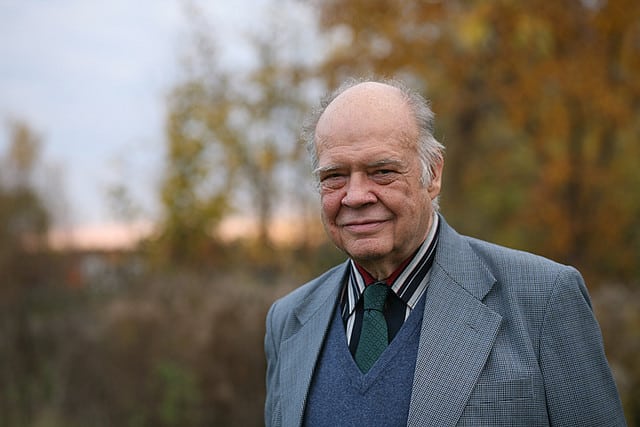
    Digital Dharma, The Story of E. Gene Smith

    A private screening of a new movie about the great scholar and collector of Tibetan texts, E. Gene Smith, will be shown in Boulder on December 15th, 2011.

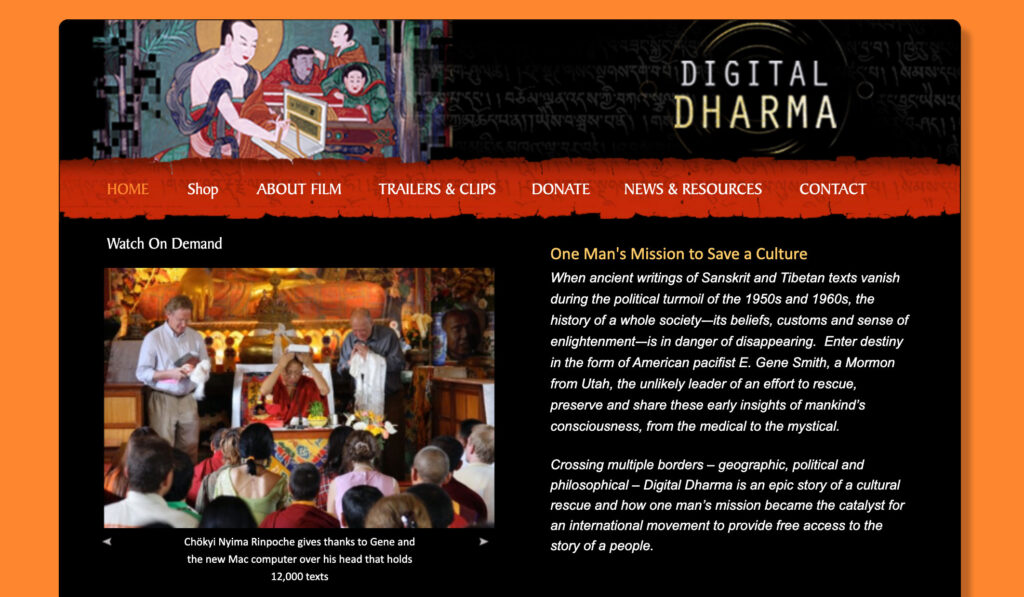
    You are invited to a special preview of the upcoming documentary, Digital Dharma, the story of E. Gene Smith, founder of the Tibetan Buddhist Resource Center (TBRC) and a pioneer in Tibetan Studies who dedicated his life to finding, preserving and disseminating the rich literary heritage of Tibet. Next week will mark one year since the death of E. Gene Smith. An evening of remembrance on December 15th will include a preview screening of Digital Dharma, the feature-length HD documentary about Gene’s life’s work. www.digitaldharma.com.

    This sneak peek of the film will be hosted for hundreds of worldwide fans of the film’s central character via the virtual environment platform of vcopious™, a Philadelphia-based global virtual environment technology provider. The live event will be streamed from The 8th Floor, a gallery and screening room in New York City.

    The local Rocky Mountain showing will be at:
    University of Colorado, Boulder Campus
    ATLS 1B31 (on 18th Ave if you’re coming from Broadway)
    Thursday December 15, 2011
    4-6 pm

    Map: http://www.colorado.edu/campusmap/map.html?bldg=ATLSLocal
    Contact: Nicole Willock, University of Denver postdoctoral fellow
    (nwillock@gmail.com)

  • IABS 2011: Reporting from Taiwan (Gene Smith Panel)

    IABS 2011: Reporting from Taiwan (Gene Smith Panel)

    Convened by Michael Sheehy and Jeff Wallman of TBRC, “Gene Smith: His Life and Work” was the first panel I attended at IABS 2011 Congress.

    Michael Sheehy gave a formal presentation entitled “Banned Books, Sealed Printeries and Neglected Dkar chag” that described some fascinating research on the history of Takten Damchö Phuntsok Ling Monastery (where Tāranātha passed on) and its printery. He recounted three separate attempts to rescue the woodblocks of Jonang texts from the Phuntsok Ling printery by three different Tibetan lamas over several centuries following Tāranātha’s death. It is not until the efforts of Losal Tenkyong (blo gsal bstan skyong), a Zhwa lu Tulku who was close to Jamgon Kongtrul, that the printery doors were unlocked and a dkar chag of the texts found there was created.

    (more…)
  • The Four Applications (T: rigs pa bzhi)

    The Four Applications (T: rigs pa bzhi)

    Dr. Art Engle gave a presentation on his work at the recent Tsadra Foundation Fellows and Grantees Conference entitled “Observations on Asanga’s Bodhisattvabhūmi.” During his talk he discussed the translation of rigs pa as “application” instead of “reason” in the context of “The Four Applications” (Wyl: rigs pa bzhi; Tib: རིགས་པ་བཞི་ ; Skt: catasro yuktayaḥ). Here he provides us with his notes, translations, and the associated text citations:

    The Four Applications

    [Note: The following passage is an excerpt from Ārya Asaṅga’s The Listener’s Stage (S: Śrāvakabhūmiḥ, T: Nyan thos kyi sa). It forms part of a larger discussion on what are referred to as thirteen “requisites” (S: sambhāraḥ, T: tshogs) for attaining freedom from attachment. The two activities of listening to and reflecting upon the true Dharma taken together represent the tenth of these qualities. Asaṅga’s description of the four applications (S: catasro yuktayaḥ, T: rigs pa bzhi) appears in his explanation of the second of two methods for engaging in the practice of reflection. It is here that we find Asaṅga stating that the term yukti is synonymous with yoga (T: sbyor ba) and upāya (T: thabs), any of which could be rendered in this context as an “application,” a “means,” or an “expedient.” It is for this reason that I have translated the term as “application,” rather than the more commonly seen rendering “reason.” The Sanskrit of the text that appears below is not well edited and contains a number of corruptions; nevertheless, it is helpful in the effort of attempting to render an accurate English translation. Another important primary source for the four applications is a passage that appears in Chapter Ten of the Saṃdhinirmocana Sūtra.]

    cintanā katamā | yathāpīhaikatyas tān eva yathā śrutān dharmān ekākī rahogataḥ | ṣaḍ acintyāni sthānāni tad yathā, (1) ātmacintāṁ, (2) sattvacintāṁ, (3) lokacintāṁ, (4) satvā(ttvā)nāṁ karmavipākacintāṁ, (5) dhyāyināṁ dhyāyiviṣayaṁ (6) buddhānāṁ buddhaviṣayaṁ varjayitvā (viśodhayitvā ?) svalakṣaṇataḥ | sāmānyalakṣaṇataś ca cintayati |

    SEMS PA GANG ZHE NA, ‘DI LTAR ‘DI NA LA LA GCIG PU DBEN PAR SONG STE, BSAM GYIS MI KHYAB PA’I GNAS DRUG PO ‘DI LTA STE, BDAG LA SEMS PA DANG, SEMS CAN LA SEMS PA DANG, ‘JIG RTEN PA LA SEMS PA DANG, SEMS CAN RNAMS KYI LAS KYI RNAM PAR SMIN PA LA SEMS PA DANG, BSAM GTAN PA RNAMS KYI BSAM GTAN GYI YUL DANG, SANGS RGYAS RNAMS KYI SANGS RGYAS KYI YUL RNAM PAR SBYANGS NAS, JI LTAR THOS PA’I CHOS DE DAG NYID RANG GI MTSAN NYID DANG, SPYI’I MTSAN NYID KYI SGO NAS SEMS PAR BYED PA YIN NO, ,

    What is reflection (S: cintanā, T: sems pa)?

    It is [described] as follows: Here a person goes alone to a solitary place and, after having cultivated the six inconceivable topics—that is, reflection upon the self, reflection upon beings, reflection upon the world, reflection upon the ripening of beings’ deeds, the objects of meditation that pertain to those who practice meditation, and the objects of a Buddha that are possessed by Buddhas—he [or she] reflects upon the individual and general characteristics of those teachings [that have been heard] in the same manner that he [or she] heard them.

    sā punaḥ cintā dvividhā gaṇanākārāsahagaṇanāyogena dharmeṇa | tulanākārama(rā), yuktyā guṇadoṣaparīkṣaṇākārā [ca][|] sa cet skandhapratisaṁyuktāṁ deśanāṁ cintayati | sa ced anyatamānyatamāṁ pūrvvaniviṣṭāṁ deśanāṁ cintayaty ābhyāṁ cintayati |

    SEMS PA DE YANG RNAM PA GNYIS TE, BGRANG BA’I RNAM PAS CHOS RNAMS LA BGRANG BA’I TSUL GYIS SEMS PAR BYED PA DANG, GZHAL BA’I RNAM PAS RIG PAS YON TAN DANG SKYON NYE BAR BRTAG PA’I TSUL GYIS SEMS PAR BYED PA YIN NO, ,GAL TE PHUNG PO DANG LDAN PA BSTAN PA LA SEMS PAR BYED DAM, GAL TE DE LAS GZHAN PA SNGAR BSTAN PA GANG YANG RUNG BA BSTAN PA LA SEMS PAR BYED NA YANG RNAM PA DE GNYIS KYIS SEMS PAR BYED PA YIN TE,

    Moreover, this reflection is of two types: (1) [reflection] upon teachings using a method that is a form of counting and (2) [reflection upon teaching] by means of a form of deliberation that consists of examining the good and bad qualities [of a particular topic]. If [someone] reflects upon a teaching that relates to the aggregates, or reflects upon any other teaching that was previously given, he [or she] reflects upon it using [either of] these two [methods].

    yathā punaḥ katham iti rūpam ucyate | daśa rūpīṇy āyatanānīti | yac ca dharmāyatanaparyāpannaṁ rūpaṁ sa ca rūpaskandhaḥ, tisro vedanā vedanāskandhaḥ | ṣaṭ saṁjñākāyāḥ saṁjñāskandhaḥ | ṣaṭ cetanākāyāḥ cetanāskandhaḥ | ṣaḍ vijñānakāyā vijñānaskandha ity evaṁ gaṇanāsaṁkhyākārāṁ skandha [gaṇanāṁ] cintayaty uttarottaraprabhedena yena vā punar asyāḥ saṁkhyāgaṇanākārāyāś cintāyā apramāṇaḥ praveśanayo veditavyaḥ |

    DE YANG JI LTAR ZHE NA, GZUGS ZHES BYA BA NI SKYE MCHED GZUGS CAN BCU DANG, CHOS KYI SKYE MCHED DU GTOGS PA’I GZUGS GANG YIN PA STE, DE NI GZUGS KYI PHUNG PO YIN NO, ,TSOR BA RNAM PA GSUM NI TSOR BA’I PHUNG PO YIN NO, ,’DU SHES KYI TSOGS DRUG NI ‘DU SHES KYI PHUNG PO YIN, ‘DU BYED KYI TSOGS DRUG NI ‘DU BYED KYI PHUNG PO YIN, RNAM PAR SHES PA’I TSOGS DRUG NI RNAM PAR SHES PA’I PHUNG PO YIN TE, DE LTAR NA BGRANG BA DANG, GRANGS KYI RNAM PAR PHUNG PO BSTAN PA LA SEMS PAR BYED PA DANG, GONG NAS GONG DU RAB TU DBYE BA’I TSUL GYIS GRANGS DANG, BGRANG BA’I RNAM PA SEMS PA DE LA TSAD MED PA’I SGO NAS ‘JUG PA’I TSUL DU RIG PAR BYA’O, ,

    How, then, [are these two methods carried out]?

    The term “form” refers to the ten bases that have the nature of form, as well as the form that is included in the entity basis. This is what makes up the form aggregate. The feeling aggregate is made up of three types of feeling. The conception aggregate is made up of six collections of conceptions. The formations aggregate is made up of six collections of formations. The consciousness aggregate is made up of six collections of [various forms of] consciousness. It should be understood that this is how one reflects upon a teaching about the aggregates in a manner that consists of a form of counting and enumeration. Moreover, [it should also be understood] that this method of reflection that is based on a form of enumeration and counting can be applied to an immeasurable degree by [further] distinguishing [the aggregates] using ever more detailed types of classification.

    kathaṁ yuktyupaparīkṣākārayā cintayā skandhadeśanāṁ cintayati | catasṛbhir yuktibhir upaparīkṣate | katamābhiś catasṛbhir yad utāpekṣāyuktyā, kāryakāraṇayuktyā, upapattisādhanayuktyā | dharmatāyuktyā ||

    JI LTAR NA RIGS PAS NYE BAR BRTAGS PA’I SEMS PAS PHUNG PO BSTAN PA LA SEMS PAR BYED PA YIN ZHE NA, RIGS PA BZHIS NYE BAR RTOG PAR BYED DE, BZHI GANG ZHE NA, ‘DI LTA STE, LTOS PA’I RIGS PA DANG, BYA BA BYED PA’I RIGS PA DANG, ‘THAD PA SGRUB PA’I RIGS PA DANG, CHOS NYID KYI RIGS PAS SO, ,

    How does one reflect upon a teaching about the aggregates using a form of investigation that applies various types of expedient means (S: yuktyupaparīkṣā, T: rigs pas nye bar brtags pa)?
    [Such a teaching] is investigated by means of the four applications.

    What are the four applications?

    They are (1) the application that relates to dependence (S: apekṣāyuktiḥ, T: ltos pa’i rigs pa), (2) the application that relates to performance of an action (S: kāryakāraṇayuktiḥ, T: bya ba byed pa’i rigs pa), (3) the application that relates to demonstration of a proof (S: upapattisādhana-yuktiḥ, T: ’thad pas grub pa’i rigs pa), and (4) the application that relates to the nature of things (S: dharmatāyuktiḥ, T: chos nyid kyi rigs pa).

    apekṣāyuktiḥ katamā | dvividhā apekṣā utpatyapekṣā prajñaptyapekṣā ca | tatrotpattyapekṣā yair hetupratyayaiḥ skandhānāṁ prādur bhāvo bhavati | tasyāṁ skandhotpattau te hetavas te pratyayā apekṣyante | yair nāmakāyapadakāyavyaṁjanakāyaiḥ skandhānāṁ prajñaptir bhavati | tasyāṁ skandhaprajñaptau te nāmapadakāyavyaṁjanakāyā apekṣyante | iyam ucyate skandheṣūtpattyapekṣā | prajñaptyapekṣatā (kṣā)ca | yā cotpattyapekṣā | yā ca prajñaptyapekṣā sā yuktir yoga upāyaḥ | skandhotpattaye | skandhaprajñaptaye tasmād apekṣāyuktir ity ucyate |

    DE LA LTOS PA’I RIGS PA GANG ZHE NA, LTOS PA NI RNAM PA GNYIS TE, SKYE BA’I LTOS PA DANG, GDAGS PA’I LTOS PA’O, ,DE LA SKYE BA’I LTOS PA NI RGYU GANG DAG DANG, RKYEN GANG DAG GIS PHUNG PO RNAMS SKYE BAR ‘GYUR BA’I PHUNG PO’I SKYE BA DE NI RGYU DE DAG DANG, RKYEN DANG DE DAG LAS LTOS PA YIN NO, ,MING GI CHOGS DANG, TSIG GI TSOGS DANG, YI GE’I TSOGS GANG DAG GI PHUNG PO RNAMS GDAGS PAR ‘GYUR BA’I PHUNG PO GDAGS PA DE NI MING GI TSOGS DANG, TSIG GI TSOGS DANG, YI GE’I CHOGS DE DAG LA LTOS PA YIN TE, DE NI PHUNG PO RNAMS KYI SKYE BA’I LTOS PA DANG, GDAGS PA’I LTOS PA ZHES BYA’O, ,SKYE BA’I LTOS PA GANG YIN PA DANG, GDAGS PA’I LTOS PA GANG YIN PA DE NI PHUNG PO SKYE BA DANG, PHUNG POR GDAGS PA’I RIGS PA DANG, SBYOR BA DANG THABS YIN PAS NA DE’I PHYIR LTOS PA’I RIGS PA ZHES BYA’O, ,

    What is the application that relates to dependence?

    There are two types of dependence: the dependence that relates to arising (S: utpattyapekṣā, T: skye ba’i ltos pa) and the dependence that relates to informative statements (S: prajñaptyapekṣā, T: gdags pa’i ltos pa). Regarding these, the dependence that relates to the arising [of the heaps] means that the causes and conditions by which the heaps are made to appear are the causes and conditions upon which the arising of the heaps depends. [The dependence that relates to informative statements about the heaps] means that the collections of names, assertions, and syllables by which the informative statements regarding the heaps are made are the collections of names, assertions, and syllables upon which the informative statements regarding the heaps depend. These [two types of dependence] that occur in relation to the heaps are called “the dependence that relates to the arising” and “the dependence that relates to informative statements.”
    Both the dependence that relates to the arising [of the heaps] and the dependence that relates to informative statements [about the heaps] are an application (S: yuktiḥ, T: rigs pa) or a means (S: yogaḥ, T: sbyor ba) or a method (S: upāyaḥ¸T: thabs) that is directed toward the arising of the heaps and [an application or a means or a method] that is directed toward the informative statements made in relation to the heaps. Therefore, it is called “the application that relates to dependence.”

    kāryakāraṇayuktir yā [ta]d utpannānāṁ skandhānāṁ svena hetunā svena pratyayena tasmiṁs tasmin svakāryakaraṇe viniyogas tad yathā | cakṣuṣā rūpāṇi draṣṭavyāni | śrotreṇa śabdā[ḥ] śrotavyāḥ | yāvan manasā dharmā vijñeyā iti | rūpeṇa cakṣuṣo gocare avasthātavyaṁ | śabdena śrotrasya, evaṁ yāddharmair manasa iti | yad vā punar anyad apy evaṁ bhāgīyaṁ | tatra tatra dharmāṇām anyo[a]nyaṁ kāryakāraṇe prati yuktir yoga upāya iyam ucyate | kāryakāraṇayuktiḥ |

    BYA BA BYED PA’I RIGS PA GANG ZHE NA, PHUNG PO RANG GI RGYU DANG, RANG GI RKYEN GYIS BSKYED PA GANG YIN PA RNAMS NI RANG GI BYA BA BYED PA DE DANG DE DAG LA SBYOR BAR BYED PA YIN TE, ‘DI LTA STE, DPER NA MIG GIS GZUGS RNAMS LA LTA BAR BYED PA DANG, RNA BAS SGRA RNAMS NYAN PAR BYED PA DANG, YID KYIS CHOS RNAMS SHES PAR BYED PA’I BAR LTA BU DANG, GZUGS KYIS MIG GI SPYOD YUL DU GNAS PAR BYED PA DANG, SGRAS RNA BA’I SPYOD YUL DU GNAS PAR BYED PA DANG, DE BZHIN DU CHOS RNAMS KYIS YID KYI SPYOD YUL DU GNAS PAR BYED PA’I BAR DAG LTA BU DANG, GZHAN YANG DE LTA BU DANG MTHUN PA’I CHOS RNAMS DE DANG DE DAG GCIG LA GCIG BYA BA BYED PA’I RIGS PA DANG, SBYOR BA DANG, THABS SU ‘GYUR BA GANG YIN PA DE NI BYA BA BYED PA’I RIGS PA ZHES BYA’O, ,

    What is the application that relates to performance of an action?

    It is the assigning (S: viniyogaḥ, T: sbyor bar byed pa) of the performance of this or that action to [the individual entities that make up] the heaps, each of which has arisen on the basis of its own causes and conditions. For example, the eye sees [visible] forms, the ear hears sounds, and so on, up to the mind knows entities. [Visible] form is established as the field of action for the eye, sound is established as the field of action for the ear, and so on in the same way, up to entities are established as the field of action for the mind. In addition, further descriptions of a similar kind can be made in relation to the performance of actions that occur mutually among different entities. Such an application or means or method is called “the application that relates to performing an action.”

    upapattisādhanayuktiḥ katamā[|] anityā[ḥ] skandhā iti, pratītyasamutpannā, duḥkhā[ḥ], śūnyā, anātmāna iti tribhiḥ pramāṇair upaparīkṣate yad utāptāgamena, pratyakṣeṇānumānena ca[|] ebhis tribhiḥ pramāṇair ūpapattiyuktaiḥ satāṁ hṛdayagrāhakair vyavasthāpanā sādhanā kriyate | yad uta skandhānityatāyā vā, pratītyasamutpannatāyā vā, duḥkhatāyā [ḥ], śūnyatāyā, iyam ucyate upapattisādhanayuktiḥ |

    ‘THAD PA SGRUB PA’I RIGS PA GANG ZHE NA, PHUNG PO RNAMS MI RTAG PA’AM, RTEN CING ‘BREL PAR ‘BYUNG BA’AM, SDUG BSNGAL BA’AM, STONG PA’AM, BDAG MED PA’O ZHES TSAD MA GSUM PO ‘DI LTA STE, YID CHES PA’I LUNG DANG, MNGON SUM DU RJES SU DPAG PA DAG GIS NYE BAR RTOG PAR BYED CING ‘THAD PA’I RIGS PA DAM PA RNAMS KYI SNYING ‘PHROG PAR BYED PA’I TSAD MA GSUM PO DE DAG GIS ‘DI LTA STE, PHUNG PO RNAMS MI RTAG PA NYID DAM, RTEN CING ‘BREL BAR ‘BYUNG BA NYID DAM, SDUG BSNGAL BA NYID DAM, STONG PA NYID DAM, BDAG MED PA NYID DU RNAM PAR ‘JOG PAR BYED CING, SGRUB PAR BYED PA YIN TE; DE’I ‘THAD PA SGRUB PA’I RIGS PA ZHES BYA BA’O, ,

    What is the application that relates to demonstration of a proof?

    The assertions that the heaps are impermanent, that they are dependently arisen, that they have a nature that consists of suffering, that they are empty [of a self that is distinct from them], and that they do not [in themselves] constitute a self are investigated using the three forms of authoritative knowledge (S: pramāṇam, T: tshad ma)—that is to say, trustworthy scripture, direct perception, and inference. These three forms of authoritative knowledge—which represent forms of application that relate to proofs (S: upapattiyuktiḥ, T: ’thad pa’i rigs pa) and which captivate the minds of the wise—establish and demonstrate the impermanence, dependently arisen nature, suffering nature, empty nature, and selflessness of the heaps. [Hence,] this [method of reflection] is called “the application that relates to demonstration of a proof.”

    dharmatāyuktiḥ katamā| kena kāraṇena tathā bhūtā ete skandhā[ḥ], tathā bhūto lokasanniveśaḥ kena kāraṇena kharalakṣaṇā pṛthivī, dravalakṣaṇā āpaḥ, uṣṇalakṣaṇaṁ tejaḥ [ḥ], samudīraṇalakṣaṇo vāyuḥ, (|) anityāḥ, skandhā [ḥ], kena kāraṇena śāntaṁ nirvvāṇam iti| tathā rūpaṇalakṣaṇaṁ rūpaṁ | anubhavalakṣaṇā vedanā, saṁjānanalakṣaṇā saṁjñā, abhisaṁskaraṇalakṣaṇāḥ saṁskārāḥ, vijānanālakṣaṇaṁ vijñānam iti| prakṛtir eṣāṁ dharmāṇām iyaṁ svabhāva eṣa īdṛśaḥ | dharmataiṣā caiva cāsau dharmatā | saivātra yuktir yoga upāyaḥ [|] evaṁ vā etat syāt | anyathā vā, naiva vā syāt, sarvvatraiva ca dharmataiva pratiprasaraṇadharmataiva yuktiḥ | cittanidhyāyanāya, cittasaṁjñāpanāya iyam ucyate dharmatāyuktiḥ |

    CHOS NYID KYI RIGS PA GANG ZHE NA, CI’I PHYIR PHUNG PO RNAMS DE LTA BUR GYUR BA YIN, ‘JIG RTEN GNAS PA DE LTA BUR GYUR PA YIN, CI’I PHYIR SA’I MTSAN NYID SRA BA YIN, CHU’I MTSAN NYID GSHER BA YIN, ME’I MTSAN NYID TSA BA YIN; RLUNG GI MTSAN NYID GA-YO BA YIN, CI’I PHYIR PHUNG PO RNAMS MI TIG PA YIN, CI’I PHYIR MYA NGAN LAS ‘DAS PA ZHI BA YIN, DE BZHIN DU CI’I PHYIR GZUGS KYIS MTSAN NYID GZUGS SU RUNG BA YIN, TSOR BA’I MTSAN NYID MYONG BA YIN, ‘DU SHES KYI MTSAN NYID KUN SHES PAR BYED PA YIN, ‘DU BYED RNAMS KYI MTSAN NYID MNGON PAR ‘DU BYED PA YIN, RNAM PAR SHES PA’I MTSAN NYID RNAM PAR SHES PAR BYED PA YIN ZHE NA, DE NI CHOS NYID YIN TE, CHOS DE DAG GI RANG BZHIN DE YIN ZHING, DE DAG GI NGO BO NYID DE LTA BU YIN PAS CHOS NYID DE GANG KHO NA YIN PA DE NYID ‘DIR RIGS PA DANG, SBYOR BA DANG, THABS YIN NO, ,DE BZHIN DU DE LTA BU’AM, GZHAN NAM, GZHAN DU MI ‘GYUR BA NI SEMS LA GZHAG PAR BYA BA DANG, SEMS LA GO BAR BYA BA’I PHYIR THAMS CAD DU YANG CHOS NYID KHO NA LA BRTEN PA DANG, CHOS NYID KHO NA’I RIGS PA YIN TE; DE NI CHOS NYID KYI RIGS PA ZHES BYA’O, ,

    What is the application that relates to the nature of things?

    In response to questions such as, “Why do the heaps have such a nature?” “[Why] does the arrangement of the world have that nature?” “Why does the earth [element] have the essential characteristic of hardness, the water [element] have the essential characteristic of wetness, the fire [element] have the essential characteristic of heat, and the air [element] have the essential characteristic of motility?” “[Why] are the heaps impermanent?” “Why is nirvana a state of peace?” and, similarly, [in answer to such questions as “Why] does form have the essential characteristic of displaying [the quality of] form?” “[Why do] feelings have the essential characteristic of experiencing?” “[Why do] conceptions have the essential characteristic of causing things to be recognized?” “[Why do] formations have the essential characteristic of shaping/forming things [in a particular way]?” and “[Why does] consciousness have the essential characteristic of awareness?” [the understanding that] this is the natural condition of those entities, that this is what their essential nature is like, that this is their very nature is here an application or a way or a means, and hence it is called “the application that relates to the nature of things.” Alternatively, the application that the relates to the nature of things and that relies upon the nature of things with the aim of fixing the mind upon and causing the mind to recognize that this is the way things are, that they are not some other way, that they do not cease to be this way, and that they are [this way] everywhere is called “the application that relates to the nature of things.”

    evaṁ catasṛbhir yuktabhiḥ skandhadeśanā upaparīkṣyata iti | yāvat punar anyā kācid deśanā iti yā evam ābhyāṁ dvābhyām ākārābhyāṁ gaṇanāsaṁkhyākārā ca yuktyupaparīkṣaṇākārā ca samyag upanidhyāyanā tasyās tasyā deśanāyā iyam ucyate | saddharmaśravaṇacinta[nā] ||

    DE LTAR NA RIGS PA BZHIS PHUNG PO B STAN PA DANG, GZHAN GANG YANG RUNG BA BSTAN PA LA NGES PAR RTOGS PAR BYED PA YIN TE, DE LTAR RNAM PA GNYIS PO BGRANG BA DANG, GRANGS KYI RNAM PA DANG, RIGS PAS NYE BAR RTOG PA’I RNAM PA DE DAG GIS BSTAN PA DE DANG, DE DAG LA YANG DAG PAR RTOG PAR BYED PA GANG YIN PA DE NI SEMS PA YIN TE, DE NI DAM PA’I CHOS NYAN PA DANG SEMS PA ZHES BYA’O, ,

    This is the way in which a teaching about the aggregates is investigated by means of the four applications. Moreover, the correct and attentive consideration of any other specific teaching using [either of] these two methods that represent [either] a form of counting and enumeration or a form of examination using the applications is what is referred to as reflection. This is what is referred to as “listening to and reflection upon the true Dharma.”

  • The Challenge of a Faithful Translation

    The Challenge of a Faithful Translation

    The Challenge of translation – Faithful yes, but not a slave

    BY CHRISTIAN CHARRIER

    While no one disputes that a translation must be truthful, the definition of truthfulness and the ways in which translators have striven to achieve it have varied over the centuries. Word-for-word translation has given way to translation of meaning with the translated text reading as naturally in the TL as the original did in the SL. Reconciling truthfulness and beauty is one of the most important challenges faced by translators.

    *****

    Much has been said and written about the notion of faithfulness (or fidelity) in translation, even the sexist comment that a translation is like a woman : if is faithful it is not beautiful and if it is beautiful it is not faithful, as if being both faithful and beautiful were mutually exclusive

    Obviously, like everything else, “faithfulness” depends on how you define it – a principle of loyalty or honesty or a matter of exactness and accuracy ; or  both ; or much more that that ) – and also it depends on what you relate it to – word or meaning ; the source language or the target language ; the source text or the target text ; the author or the reader.

    Faithfulness will also depend on the different choices you make and the strategies you use in different translating situations (oral or written), with different texts (literary or technical ; philosophy, poetry, logics, etc…). And accordingly, it raises different types of difficulties. Usually technical translators are envious of literary translators because they do not have technical problems to solve, and literary translators are envious of technical translators because they only have technical questions to deal with. We Dharma translators, are not envious of anybody else, because we have both : the technical problems and all the rest…

    Without getting into theoretical issues about linguistic theories in translation, I would like to relate this notion of faithfulness to my personal experience as a Dharma translator and  specially to one model of translation strategy developed by Lederer (2001) at the ESIT school of translators in Paris that I find interesting and useful.  So, as this exploration of the extent of faithfulness,  has mainly given me the opportunity to reconsider my ideas about translation and my involvement in translating Dharma I am afraid that apart from being a very self-centered talk, the rest might be very familiar to you and overrun.

    *****

    In the early eighties, when the director of a FPMT center in France asked me to translate orally, from English to French, the teachings of the resident gueshé on Shiné and Lhaktong, I thought he was pulling my leg. First, I did not know who Shiné and Lhaktong were and did not think that just knowing a foreign language suddenly qualified someone to be a translator or worse an interpreter. On top of that How can you translate something you do not understand ? The reason that apparently made me a translator was that I understood English and had a degree in linguistics from a Canadian university. But speaking a language and translating a Buddhist senior monk talk about meditation and philosophy are for me two different things : in one case, you think you know what you are talking about, while in the other you know you don’t.

    But curiosity and temptation were stronger than I thought, so I finally went up to meet Gueshé la in his room and find out more about the subject.

    After hearing all my excuses about my incompetence, Gueshé La just smiled at me and said : ” Oh don’t be so shy just say the same thing in your own language ! “

    Saying the same thing in my own language ! That was exactly what I thought I could not do, as my knowledge of the thing itself was rather a non-thing and definitely not functional.

    But as you cannot resist a wise and compassionate person, a few days later, after some more encouragement by Gueshé la, convincing me that there was not any body else around who could do it, I was sitting on the hot cushion, scared as a newborn lamb, trying to convey as faithfully as I could, that is almost word by word, whatever Gueshé la was saying. Sorry, whatever the English translator was saying, as I did not know Tibetan then. This was my first experience of translating Dharma : translating a Tibetan translator translating the words of a Tibetan scholar speaking about a subject I knew nothing about. This is how Dharma teachings were introduced in France when at this time when there were no direct Tibetan-French translators available. Taking any one who came close to accomplishing the function of a merely labeled translator. In that case ME.

    Everybody knows the famous expression (traduttore, traditore) : that interpreters are traitors.  And in that case we were two traitors. Although some might argue that two traitors are probably better than just one, as betraying the traitor could be one step closer to truth !?! Anyway, we both joined our efforts as best we could, trying to translate every word like a dictionary would. Isn’t a dictionary the best tool for translating ? This is when I proudly started to consider myself as being just a tool at the service of Dharma and others. A Dharma translating machine so to speak.

    (more…)
  • “As for the Blessing of Vajravārāhī, Marpa Lhodrakpa does not have it.” WTF?

    “As for the Blessing of Vajravārāhī, Marpa Lhodrakpa does not have it.” WTF?

    “As for the Blessing of Vajravārāhī, Marpa Lhodrakpa does not have it.” WTF?
     by Sarah Harding

    In the beginning, my work translating the Pakmo Namshe[1] by the 2nd Pawo Rinpoche Tsuklak Trengwa (dPa’ bo gtsug lag Phreng ba, 1504-1566) presented several surprises. I had always believed that this was a commentary about the secret practice of Vajravārāhı based on the sādhana by the Sixth Karmapa Tongwa Dönden (mThong ba don ldan, 1416-1453) that we had all practiced in three-year retreat. I had certainly used it as such. But as soon as I came across the actual words of the sādhana within the text, it was clearly not that. Tsuklak Trengwa gives the title of the sādhana as simply dPal rdo rje rnal ‘byor ma’i gsang ba’i grub thab, or Srı Vajrayoginı Guhya Sādhana, authored by Nāropa and translated by Marpa. Well that’s easy, I thought, because there’s a three-folia verse text in the Peking Tengyur by Nāropa, or rather Mahā Nāḍapāda, with just that Sanskrit name.[2] Great—only that was not it. Then I actually opened and looked at every single text attributed to Nāropa in the Tengyur, and could not find a match. Then for weeks there were random feverish searches on TBRC under every conceivable word, like “yoginī,” “secret,” “vajra,” “pig,” and so on. Finally one fine day brought up the Miscellaneous Works (gsung thor bu) of the First Karmapa, Dusum Khyenpa (Dus gsum mkhyen pa, 1110-1193), and there I found it among several other secret Vajrayoginī practices, 29 folios and with no author, under the title dPal rdo rje rnal ‘byor ma’i gsang bsgrub [rdo?] rje btsun mo lhan skyes.[3] That was what I call a researcher’s moment of glory. It’s been all down hill from there.

    The second big surprise was the nature of the text. I was looking forward to translating Pakmo Namshe because I understood it to be a practice commentary. Pawo Tsuklak Trengwa even says, “It is this sādhana exactly as presented by the bhagavatī herself that will be expounded here.” But after the first fifty pages I realized that it’s really a rebuttal, a giant polemic in defense of Kagyu practices. I’ve since found that many if not most Kagyu commentaries on Vajrayoginī written during this period, the 15th-16th centuries, are similarly on the defensive. At first I thought that if I could make it through the history section, just fourteen folios, then finally there would be the Dharma. But that naiveté was again shattered when a few pages into the so-called “actual instructions,” even in the section on the location in which to practice, (Mountain peaks and charnel grounds/ Lone tree trunks and empty caves/ Hermitages and isolated places,… ) the narrative bends around to start sections with that red warning flag of “mkhas pa kha chig gis,” and somehow launches into another tirade. The one most shocking for me was the quote early on that is the title of this paper, “As for the blessing of Vajravārāhı, Marpa Lhodrakpa does not have it.” I mean, what? There’s been great controversy about mahāmudrā and maybe some suspicious creative innovations by lineage masters, such as evidenced by the accusations leveled at Gampopa. But Marpa? And he doesn’t even have the blessing? As I figure it, we’re screwed. So I decided to jump right in to the fray and try to figure out what’s going on here. Truly it is a can of worms, and I barely got the lid off. In order to make some use of the considerable time and energy that I already spent on Pakmo Namshe, although my work on it has now been set aside, I will present excerpts primarily from my translation of that, and some from other researches, especially Sakya Paṇḍita, Gorampa, Padma Karpo, Tashi Namgyal, and Lowo Khenchen. I’ll also make available a polished translation of the history section. What follows is basically a travelogue of my confusions, or my ‘khrul pa’i thob yig.

    (more…)